
Build Strength with These Beginner-Friendly Pilates Machine Workouts
Release Time:
Sep 10,2026
Build Strength with These Beginner-Friendly Pilates Machine Workouts Table of Contents Introduction to Pilates Machines The Benefits of Pilates Machine Workouts Types of Pilates Machines: A Beginner's Guide Beginner-Friendly Pilates Machine Workouts Reformer Exercises Cadillac Exercises Chair Exercises Tips for Success
Build Strength with These Beginner-Friendly Pilates Machine Workouts
Table of Contents
- Introduction to Pilates Machines
- The Benefits of Pilates Machine Workouts
- Types of Pilates Machines: A Beginner's Guide
- Beginner-Friendly Pilates Machine Workouts
- Tips for Success in Pilates
- Common Mistakes to Avoid
- Frequently Asked Questions (FAQs)
- Conclusion
Introduction to Pilates Machines
Pilates has become a popular form of exercise that emphasizes strength, flexibility, and body awareness. Using specialized equipment, such as the **Reformer**, **Cadillac**, and **Chair**, Pilates machines offer unique advantages over mat-based workouts. These machines provide adjustable resistance, enabling easier progression and personalized workouts for beginners.
For those new to Pilates, understanding how these machines work and their proper usage is crucial to maximizing benefits and preventing injuries. In this article, we will explore beginner-friendly Pilates machine workouts designed to help you build strength effectively.
The Benefits of Pilates Machine Workouts
Engaging in Pilates machine workouts offers several **benefits** that make them an excellent choice for anyone looking to enhance their fitness journey. Here are some key advantages:
Improved Strength and Muscle Tone
Pilates focuses on core strength, but it also targets all muscle groups, promoting balanced strength and muscle tone throughout the body. The adjustable resistance on Pilates machines allows individuals to tailor their workouts and progressively increase strength.
Enhanced Flexibility
Many Pilates machine exercises emphasize stretching and lengthening muscles. As you practice regularly, you will notice a significant improvement in your **flexibility**, which can lead to better overall performance in various physical activities.
Increased Body Awareness
Pilates emphasizes precise movements and proper alignment, fostering a greater awareness of your body. This mindfulness can enhance your performance in other forms of exercise and daily activities.
Low Impact on Joints
The low-impact nature of Pilates makes it suitable for individuals of all fitness levels, including those recovering from injuries. The machines provide support and reduce the risk of joint strain commonly associated with high-impact workouts.
Types of Pilates Machines: A Beginner's Guide
Understanding the different types of **Pilates machines** available will help you select the right equipment for your workouts. Here’s a brief overview:
Reformer
The Reformer is perhaps the most recognized Pilates machine. It features a sliding carriage, adjustable springs, and various attachments. The Reformer facilitates a wide range of exercises targeting different muscle groups, making it ideal for beginners.
Cadillac
The Cadillac, or Trapeze table, resembles a bed frame with a trapeze bar and springs. This machine allows for unique exercises that can be adapted based on your fitness level. It's particularly beneficial for developing upper body strength and improving flexibility.
Chair
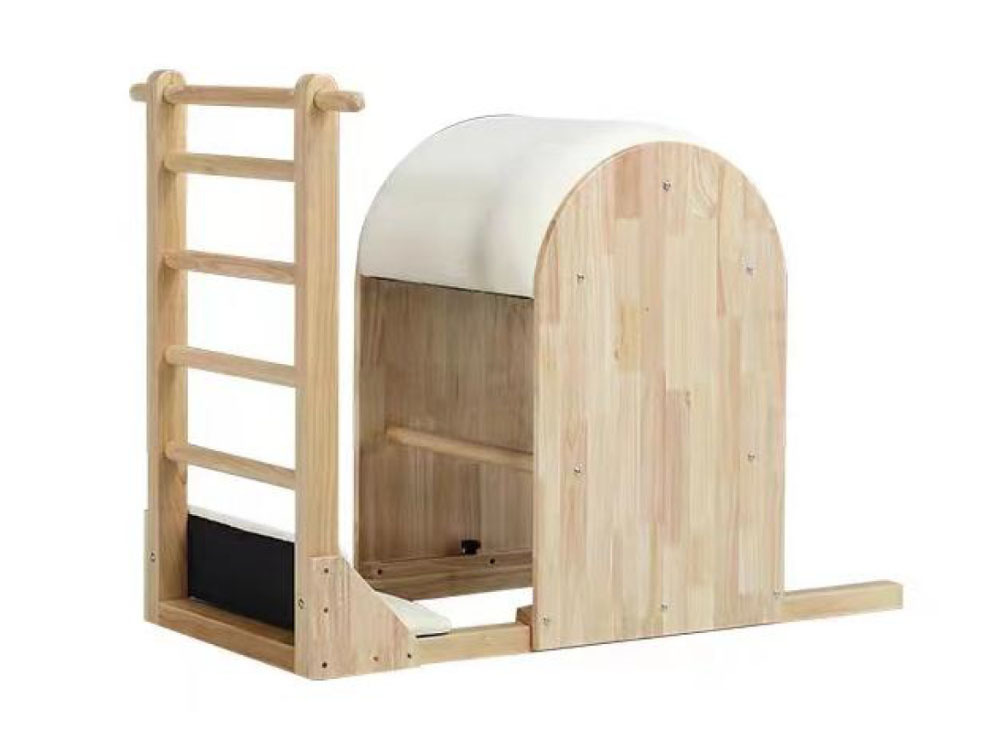
The Pilates Chair is a compact machine that provides resistance through springs. It’s versatile for various exercises, focusing primarily on strength-building for the legs, arms, and core.
Beginner-Friendly Pilates Machine Workouts
Now that we've covered the basics of Pilates machines, let's delve into some beginner-friendly workouts. These routines are designed to help you build strength while ensuring proper form and technique.
Reformer Exercises
**Footwork**: Begin by lying on your back on the Reformer, feet on the footbar. Push through your heels, extending your legs and then returning to the starting position. Aim for 10-15 repetitions.
**Shoulder Bridge**: With your feet on the footbar and your head resting on the carriage, lift your hips towards the ceiling, squeezing your glutes at the top. Lower back down and repeat for 10-12 reps.
**Kneeling Row**: Kneel on the Reformer, holding the straps in each hand. Pull the straps towards your chest while keeping your elbows close to your sides. Perform 10-15 repetitions.
Cadillac Exercises
**Leg Springs**: Lie on your back on the Cadillac with your feet in the straps. Open and close your legs while maintaining control. Aim for 10-15 reps.
**Pull-Up**: Grasp the trapeze bar overhead, engaging your core. Pull your body up towards the bar, then lower back down. Complete 5-10 repetitions, focusing on your form.
Chair Exercises
**Standing Leg Press**: Stand on the Chair with one foot on the pedal and the other on the floor. Push the pedal down with your standing foot and then return to the starting position. Perform 10-12 repetitions on each leg.
**Tricep Dips**: Sit on the edge of the Chair, hands on the seat beside your hips. Lower your body down towards the floor by bending your elbows, then push back up. Repeat for 10-15 reps.
Tips for Success in Pilates
To make the most of your Pilates machine workouts, consider these tips:
Focus on Form
Proper form is essential in Pilates to prevent injury and maximize effectiveness. Always prioritize quality over quantity in your repetitions.
Start Slow
As a beginner, take your time learning the exercises. Gradually increase the intensity and complexity as your strength and confidence improve.
Listen to Your Body
Pay attention to how your body feels during and after workouts. If you experience pain or discomfort, modify the exercise or seek guidance from a certified instructor.
Common Mistakes to Avoid
Avoiding these common mistakes can enhance your Pilates experience:
Neglecting Breathing
Breathing is a critical aspect of Pilates. Ensure you breathe deeply and sync your breath with your movements.
Rushing Through Exercises
Take the time to execute each movement with control and awareness. Rushing can lead to improper form and reduce effectiveness.
Ignoring Core Engagement
Engaging your core is fundamental in Pilates. Always maintain a strong connection to your core throughout each exercise to support your spine and enhance stability.
Frequently Asked Questions (FAQs)
1. How often should I practice Pilates?
For best results, aim to practice Pilates 2-3 times a week. Consistency is key in building strength and improving flexibility.
2. Can Pilates help with weight loss?
While Pilates is not primarily a weight loss workout, it can contribute to overall fitness and muscle tone, which may assist in achieving weight loss goals when combined with a healthy diet.
3. Do I need to take classes to use Pilates machines?
While it's beneficial to take classes with a certified instructor, many machines can be safely used at home with proper guidance and research.
4. Are Pilates machines suitable for all fitness levels?
Yes, Pilates machines can be adjusted for various fitness levels, making them suitable for beginners and advanced practitioners alike.
5. What should I wear to a Pilates class?
Wear comfortable, form-fitting athletic wear that allows for full range of motion. Avoid baggy clothes that may get caught in the equipment.
Conclusion
In summary, Pilates machines offer a fantastic way for beginners to build strength and flexibility while enjoying a low-impact workout. By incorporating the exercises outlined in this article into your fitness routine, you're setting yourself up for success. Remember to focus on your form, listen to your body, and progress at your own pace. Embrace the journey of Pilates, and witness the positive transformations in your strength and overall well-being.
You Can Also Learn More About Industry Trends

with 16 years of design experience and professional team, can meet the different needs of different customers, design and manufacture better sports aid equipment. Products are exported to France, Canada, South Korea, Australia and so on.


Contact Information
Tel: +86-13103377000 / +86-13131181213
E-mail: furuili003@frlpilates.com
WhatsApp: +86-15831880002
Add: No. 25 Xiangyang Road, Xiaochai Development Zone, Longhuadian Township, Hejian City, Hebei Province
Consult
If you are interested in our products, please leave your email, we will contact you as soon as possible, thank you!