
A Comprehensive Guide to Mastering Exercises on the Pilates Stability Chair
Release Time:
Aug 13,2026
A Comprehensive Guide to Mastering Exercises on the Pilates Stability Chair Table of Contents 1. Introduction to the Pilates Stability Chair 2. Benefits of Using the Pilates Stability Chair 3. Understanding the Anatomy of the Stability Chair 4. Key Techniques for Effective Exercises 4.1 Basic Exercises for Beginners 4.2 Intermediate Exercises for E
A Comprehensive Guide to Mastering Exercises on the Pilates Stability Chair
Table of Contents
- 1. Introduction to the Pilates Stability Chair
- 2. Benefits of Using the Pilates Stability Chair
- 3. Understanding the Anatomy of the Stability Chair
- 4. Key Techniques for Effective Exercises
- 4.1 Basic Exercises for Beginners
- 4.2 Intermediate Exercises for Enhanced Strength
- 4.3 Advanced Exercises for Mastery
- 5. Safety Tips for Using the Pilates Stability Chair
- 6. Common Mistakes to Avoid
- 7. Maintaining Your Pilates Stability Chair
- 8. Conclusion
- 9. Frequently Asked Questions
1. Introduction to the Pilates Stability Chair
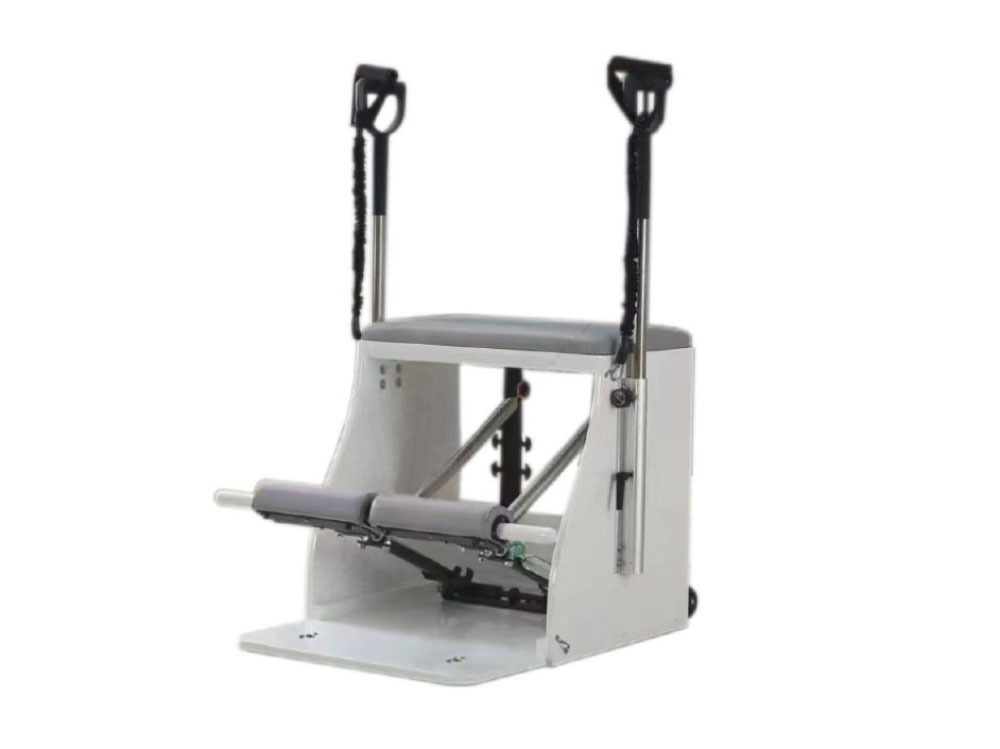
The Pilates Stability Chair is a unique piece of fitness equipment designed to enhance core strength, flexibility, and overall body awareness. Unlike traditional gym machines, the Stability Chair allows for a wide range of movements, providing versatility for users at all fitness levels. This comprehensive guide aims to explore the myriad exercises you can perform on the Stability Chair, ensuring you maximize your workout potential.
2. Benefits of Using the Pilates Stability Chair
Engaging with the Pilates Stability Chair offers numerous benefits:
Improved Core Strength
A strong core is essential for overall fitness. The Stability Chair engages multiple muscle groups, particularly the abdominal muscles, improving core stability and strength.
Increased Flexibility
The varied positioning and resistance levels promote flexibility in the spine and extremities, allowing for a more dynamic workout.
Enhanced Balance and Coordination
Exercises on the Stability Chair require balance and control, thereby enhancing coordination and body awareness.
Low-Impact Training
Ideal for individuals recovering from injuries or looking for low-impact options, the Stability Chair provides effective workouts without undue stress on the joints.
3. Understanding the Anatomy of the Stability Chair
Before diving into exercises, it’s essential to understand the components of the Pilates Stability Chair:
Foot Bar
This adjustable bar allows for various foot placements and resistance levels, enabling a wide range of exercises.
Seat
The seat is where the user will perform the majority of exercises. Its height and stability are adjustable for customized workouts.
Springs
The resistance springs can be added or removed based on your strength and experience level, providing customizable workouts.
Handles
The handles assist in maintaining proper form and stability during exercises, especially for those with lower body strength challenges.
4. Key Techniques for Effective Exercises
To ensure you get the most out of your Pilates Stability Chair workouts, practicing proper techniques is key.
4.1 Basic Exercises for Beginners
For those new to the Stability Chair, starting with basic exercises is crucial for building a solid foundation.
1. Seated Leg Press
- Begin seated on the chair with feet on the foot bar.
- Engage your core and press your legs forward, straightening them against the resistance of the springs.
- Slowly return to the starting position and repeat.
2. Footwork Series
- Position yourself with your feet on the foot bar.
- Perform various movements: parallel, turned out, and on one leg to engage different muscle groups.
- Focus on controlled movements and proper form.
4.2 Intermediate Exercises for Enhanced Strength
Once comfortable with basic exercises, you can transition to intermediate routines.
1. Tricep Dips
- Sit on the edge of the seat with your hands beside you.
- Lower your body while bending your elbows, then press back up.
- Maintain a straight body line throughout the movement.
2. The Plank
- Place your feet on the foot bar and hands on the seat.
- Engage your core and hold a plank position, using the chair for support.
- Focus on maintaining a straight line from head to heels.
4.3 Advanced Exercises for Mastery
Advanced users can explore challenging routines that enhance strength and flexibility.
1. The Teaser
- Begin seated with feet on the foot bar.
- Roll back while engaging your core, lifting your legs and torso into a "V" position.
- Hold this position briefly before returning to starting position.
2. Single Arm Row
- With one foot on the foot bar, use one hand to pull on the handle.
- Focus on engaging your back and core as you row.
- Switch arms after a set number of repetitions.
5. Safety Tips for Using the Pilates Stability Chair
Safety is paramount when using the Pilates Stability Chair. Here are essential tips to keep in mind:
Warm Up Before Exercises
Warming up prepares your muscles and reduces the risk of injury. Simple stretches targeting the core, legs, and arms can enhance performance.
Adjust Resistance Gradually
Start with lighter resistance and gradually increase as you get stronger to prevent strain and maintain form.
Listen to Your Body
If you feel pain or discomfort, stop the exercise immediately. It’s important to differentiate between muscle fatigue and injury.
6. Common Mistakes to Avoid
Even seasoned users can make mistakes. Here are common pitfalls and how to avoid them:
Neglecting Core Engagement
Always engage your core during exercises to enhance stability and effectiveness.
Poor Form
Focus on maintaining proper alignment to prevent injuries. Consider working with a certified instructor for guidance.
Rushing Through Exercises
Take your time with each movement to ensure control and maximize benefits. Quality over quantity should be the mantra.
7. Maintaining Your Pilates Stability Chair
Proper maintenance extends the life of your Stability Chair and ensures safety during workouts.
Regularly Inspect Components
Check springs, foot bars, and seats for wear and tear. Regular inspections help identify potential issues before they become problematic.
Clean Your Equipment
Wipe down surfaces after each use to prevent buildup of sweat and bacteria. Use a gentle cleaner to maintain the integrity of the materials.
8. Conclusion
The Pilates Stability Chair is a powerful tool for enhancing your fitness routine. With a broad range of exercises tailored to various skill levels, this equipment can help you achieve your fitness goals effectively. By mastering proper techniques, prioritizing safety, and maintaining your chair, you can unlock a fulfilling and dynamic fitness experience.
9. Frequently Asked Questions
1. What is a Pilates Stability Chair?
The Pilates Stability Chair is a versatile piece of equipment designed for strength training, flexibility, and balance exercises, featuring adjustable resistance springs and a foot bar.
2. Can beginners use the Pilates Stability Chair?
Absolutely! The chair accommodates all fitness levels. Beginners should start with basic exercises to build strength and confidence.
3. How do I adjust the resistance on the Stability Chair?
Resistance is adjusted by adding or removing springs. Beginners should start with fewer springs and gradually increase as strength improves.
4. How often should I use the Pilates Stability Chair?
For optimal results, aim for 2-3 sessions per week, incorporating a mix of exercises to target different muscle groups.
5. What should I wear during Pilates workouts?
Wear comfortable, fitted clothing that allows for a full range of motion. It’s also advised to work out barefoot or in grip socks for better traction.
By following this comprehensive guide, you are well on your way to mastering exercises on the Pilates Stability Chair. Remember that consistency and proper technique are essential for achieving your fitness goals. Happy exercising!
You Can Also Learn More About Industry Trends

with 16 years of design experience and professional team, can meet the different needs of different customers, design and manufacture better sports aid equipment. Products are exported to France, Canada, South Korea, Australia and so on.


Contact Information
Tel: +86-13103377000 / +86-13131181213
E-mail: furuili003@frlpilates.com
WhatsApp: +86-15831880002
Add: No. 25 Xiangyang Road, Xiaochai Development Zone, Longhuadian Township, Hejian City, Hebei Province
Consult
If you are interested in our products, please leave your email, we will contact you as soon as possible, thank you!