
Pilates Orthotics: Transforming Rehabilitation for Better Movement
Release Time:
Jun 25,2026
Pilates Orthotics: Transforming Rehabilitation for Better Movement Table of Contents Understanding Pilates Orthotics Benefits of Pilates Orthotics in Rehabilitation How Do Pilates Orthotics Work? Pilates Orthotics vs. Traditional Rehabilitation Techniques Choosing the Right Pilates Orthotics Integrating Pilates Orthotics into Your Exercise Routine Case Studies and Succ
Pilates Orthotics: Transforming Rehabilitation for Better Movement
Table of Contents
- Understanding Pilates Orthotics
- Benefits of Pilates Orthotics in Rehabilitation
- How Do Pilates Orthotics Work?
- Pilates Orthotics vs. Traditional Rehabilitation Techniques
- Choosing the Right Pilates Orthotics
- Integrating Pilates Orthotics into Your Exercise Routine
- Case Studies and Success Stories
- Frequently Asked Questions
Understanding Pilates Orthotics
Pilates orthotics represent a specialized approach to movement correction and rehabilitation, merging the principles of Pilates with the functionality of orthotic devices. These orthotics are designed to provide support, alignment, and stability to the body during Pilates exercises, ultimately enhancing performance and facilitating recovery. By focusing on proper biomechanics, Pilates orthotics help individuals achieve better posture and movement patterns, which are crucial for rehabilitation.
Benefits of Pilates Orthotics in Rehabilitation
The integration of Pilates orthotics into rehabilitation programs offers a myriad of benefits. Here are some of the most noteworthy advantages:
Improved Posture and Alignment
One of the primary benefits of using Pilates orthotics is their ability to promote correct posture and alignment. By providing support where it's needed, these devices help individuals maintain optimal body positioning during exercises, reducing the risk of injury and improving overall effectiveness.
Enhanced Stability and Support
Pilates orthotics offer additional stability, especially for individuals recovering from injuries. This support allows for safe movement patterns, which are essential for building strength and confidence as patients progress through their rehabilitation.
Increased Range of Motion
With the use of Pilates orthotics, individuals often experience an increase in their range of motion. These devices encourage proper body alignment and movement, facilitating the rehabilitation of tight or injured muscles and joints.
Targeted Muscle Activation
Pilates orthotics can help individuals activate specific muscle groups that may be underutilized or weakened due to injury or inactivity. By focusing on these areas, practitioners can promote balanced muscle development and enhance overall functional movement.
How Do Pilates Orthotics Work?
Understanding the mechanics of Pilates orthotics is crucial for appreciating their role in rehabilitation. Here are some key points about how these devices function:
Biomechanical Support
Pilates orthotics are designed to provide biomechanical support that aligns the body properly. By correcting misalignments, these orthotics ensure that movements are performed efficiently and safely, reducing the likelihood of compensatory patterns that can lead to further injury.
Customizable Design
Many Pilates orthotics are customizable to fit the specific needs of individuals. This personalization allows for an optimal fit and greater effectiveness, ensuring that users receive the right support where they need it most.
Feedback Mechanism
Pilates orthotics often incorporate feedback mechanisms that allow users to become more aware of their body positioning. This awareness helps individuals make conscious adjustments during exercises, reinforcing proper movement patterns over time.
Pilates Orthotics vs. Traditional Rehabilitation Techniques
While traditional rehabilitation techniques rely heavily on passive modalities such as rest, ice, and massage, Pilates orthotics introduce an active approach to rehabilitation. Here are some differences between the two:
Active Engagement
Unlike traditional techniques that may encourage disuse of the affected area, Pilates orthotics promote active engagement of the body. This active involvement fosters quicker recovery and functional improvement.
Focus on Core Stability
Traditional rehabilitation often overlooks the importance of core stability in recovery. Pilates orthotics emphasize the role of the core, ensuring that patients develop strength in this crucial area, which can help prevent future injuries.
Holistic Approach
Pilates orthotics adopt a holistic approach by addressing not only the symptoms of injury but also the underlying causes. This comprehensive strategy leads to more sustainable recovery and enhances overall well-being.
Choosing the Right Pilates Orthotics
Selecting the appropriate Pilates orthotics can significantly impact the effectiveness of rehabilitation. Here are factors to consider:
Consultation with a Professional
Before choosing Pilates orthotics, it is essential to consult with a healthcare professional, such as a physical therapist or a certified Pilates instructor. Their expertise will guide individuals toward the best options based on their specific needs and recovery goals.
Size and Fit
Ensuring that the orthotics fit correctly is crucial. Ill-fitting devices can hinder movement and may even exacerbate existing issues. Therefore, proper sizing and adjustments should be prioritized.
Material and Design
Different materials and designs offer varying levels of support and flexibility. Individuals should consider their activity level, types of injuries, and personal preferences when selecting the right orthotics.
Integrating Pilates Orthotics into Your Exercise Routine
Once the appropriate Pilates orthotics have been chosen, integrating them into a regular exercise routine is essential for maximizing benefits. Here are some strategies for effective integration:
Start Slowly
Individuals should begin by incorporating the orthotics into shorter sessions to allow their bodies to adjust. Gradually increasing the duration and intensity will help prevent overwhelm and ensure a smooth transition.
Follow a Structured Program
Working with a qualified instructor or therapist can provide structure to the incorporation process. They can develop a tailored program that integrates Pilates orthotics effectively, ensuring that movements are performed safely and correctly.
Regular Assessment and Adjustment
As individuals progress, regular assessments should be conducted to determine if adjustments to the orthotics or exercises are necessary. Continuous evaluation will ensure that the rehabilitation process remains effective and aligned with recovery goals.
Case Studies and Success Stories
Numerous case studies have demonstrated the positive impact of Pilates orthotics on rehabilitation. Here are a few compelling examples:
Recovery from Ankle Injuries
One case involved a dancer recovering from a severe ankle sprain. Utilizing Pilates orthotics, the individual was able to regain stability and strength in the joint, leading to a return to dance within months.
Post-Surgery Rehabilitation
A patient undergoing knee surgery integrated Pilates orthotics into their rehabilitation program. The orthotics assisted in maintaining proper alignment and core engagement, resulting in a quicker recovery and improved mobility.
Chronic Back Pain Management
Individuals suffering from chronic back pain found relief and improved posture through the use of Pilates orthotics during their rehabilitation. The targeted muscle activation provided by the devices helped strengthen the core and alleviate discomfort.
Frequently Asked Questions
1. What are Pilates orthotics?
Pilates orthotics are specialized devices designed to support and align the body during Pilates exercises, enhancing movement quality and facilitating rehabilitation.
2. Who can benefit from Pilates orthotics?
Individuals recovering from injuries, experiencing chronic pain, or seeking to improve their movement patterns can benefit greatly from Pilates orthotics.
3. How do I choose the right Pilates orthotics?
Consulting with a healthcare professional is crucial for selecting the appropriate Pilates orthotics. Factors such as fit, design, and personal needs should be considered.
4. Can I use Pilates orthotics in other types of exercise?
While Pilates orthotics are specifically designed for Pilates, many individuals find them beneficial in other forms of exercise that emphasize alignment and core stability.
5. How long should I wear Pilates orthotics during workouts?
It's essential to start slowly and gradually increase the duration of wear. A healthcare professional can provide specific recommendations based on individual progress and comfort.
Conclusion
Pilates orthotics are transforming the landscape of rehabilitation by offering a unique blend of support, alignment, and active engagement. Their ability to enhance movement quality, promote recovery, and prevent future injuries makes them a valuable tool for individuals at various stages of rehabilitation. By understanding their benefits, learning how they work, and integrating them into a structured exercise routine, individuals can truly harness the power of Pilates orthotics and transform their approach to movement. Embracing this innovative method not only aids in recovery but also fosters a deeper connection between body and mind, ultimately leading to a healthier, more balanced lifestyle.
You Can Also Learn More About Industry Trends
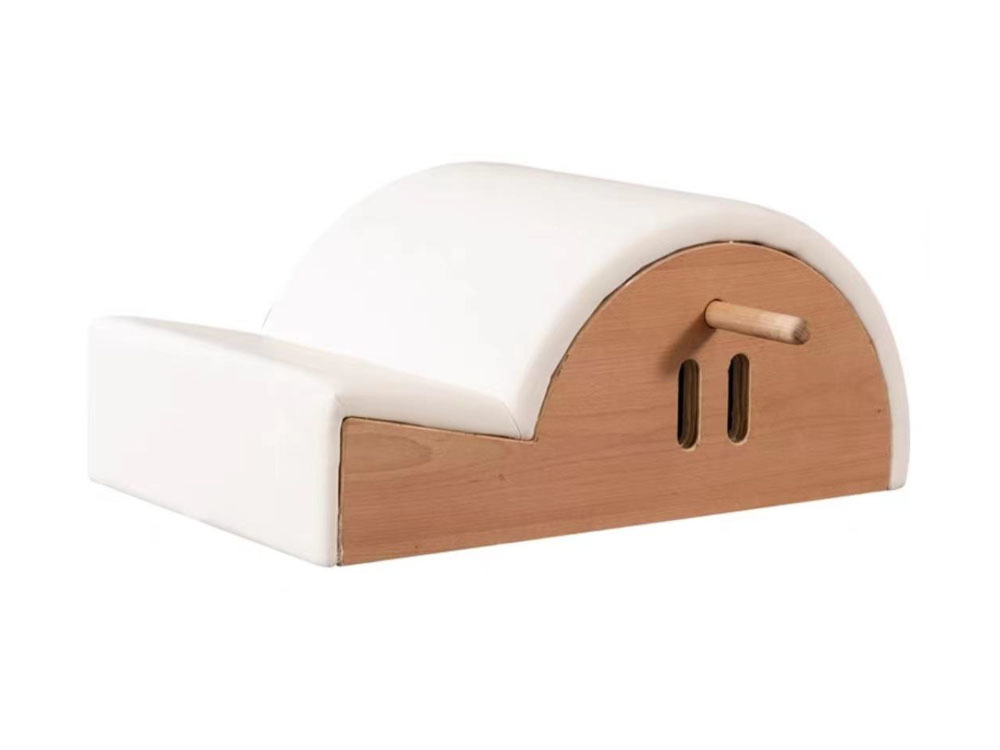
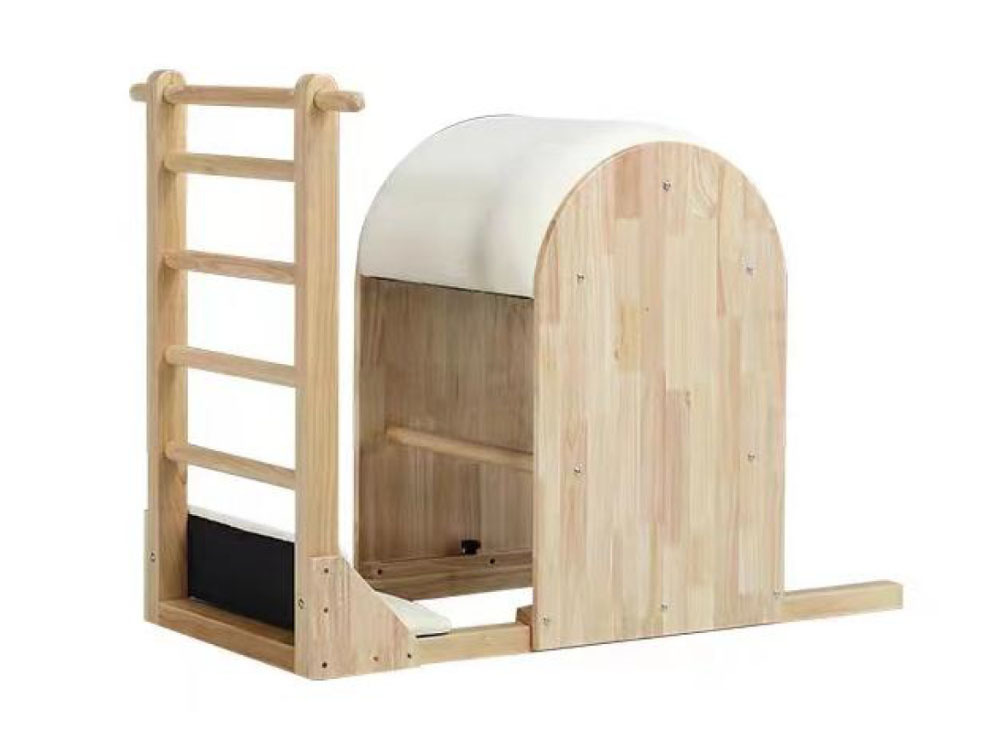
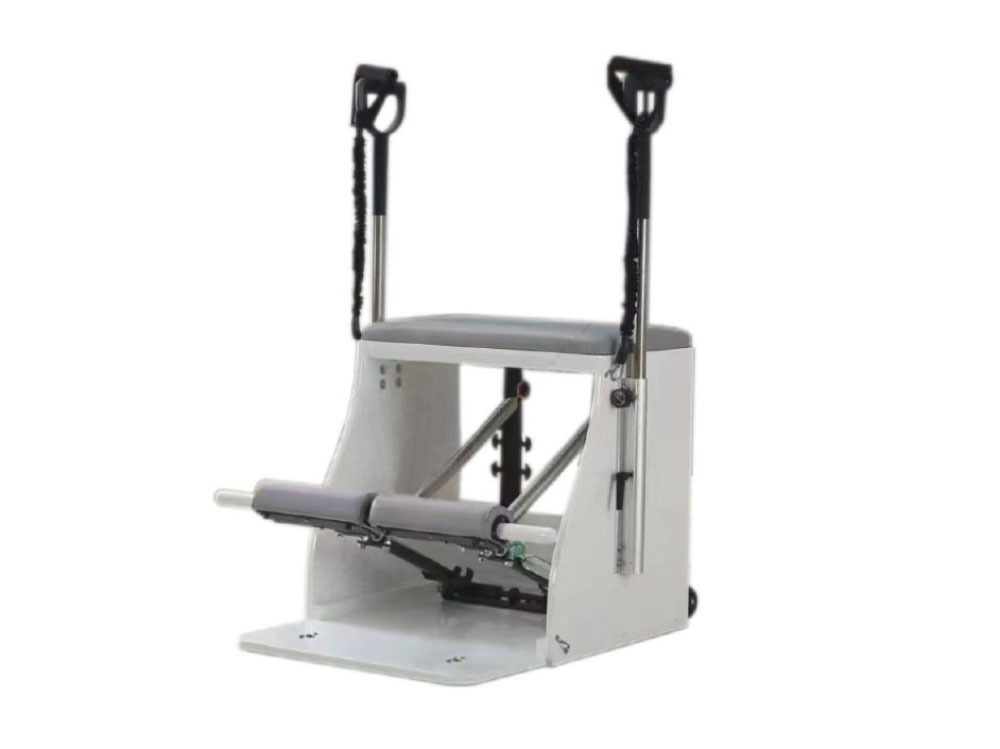

with 16 years of design experience and professional team, can meet the different needs of different customers, design and manufacture better sports aid equipment. Products are exported to France, Canada, South Korea, Australia and so on.


Contact Information
Tel: +86-13103377000 / +86-13131181213
E-mail: furuili003@frlpilates.com
WhatsApp: +86-15831880002
Add: No. 25 Xiangyang Road, Xiaochai Development Zone, Longhuadian Township, Hejian City, Hebei Province
Consult
If you are interested in our products, please leave your email, we will contact you as soon as possible, thank you!