
Why At Home Pilates Equipment is a Game Changer for Your Fitness Journey
Release Time:
May 21,2026
Why At Home Pilates Equipment is a Game Changer for Your Fitness Journey Table of Contents Introduction to At Home Pilates Equipment The Benefits of Practicing Pilates at Home Essential Pilates Equipment for Home Use Creating Your Personal Pilates Studio at Home Effective Pilates Workouts You Can Do at Home Maintaining Motivation in Your Home Pilates Practice Common Mi
Why At Home Pilates Equipment is a Game Changer for Your Fitness Journey
Table of Contents
- Introduction to At Home Pilates Equipment
- The Benefits of Practicing Pilates at Home
- Essential Pilates Equipment for Home Use
- Creating Your Personal Pilates Studio at Home
- Effective Pilates Workouts You Can Do at Home
- Maintaining Motivation in Your Home Pilates Practice
- Common Misconceptions About Home Pilates
- Conclusion: Embrace the Change with At Home Pilates
- Frequently Asked Questions About At Home Pilates Equipment
Introduction to At Home Pilates Equipment
In recent years, **at-home workouts** have surged in popularity, and **Pilates** stands out as one of the most effective and enjoyable forms of exercise available. This method, developed by Joseph Pilates in the early 20th century, emphasizes core strength, flexibility, and overall body awareness. **At home Pilates equipment** has revolutionized the way fitness enthusiasts engage with this versatile practice, offering convenience and accessibility for everyone. Whether you're a seasoned practitioner or a complete novice, having the right equipment at home can significantly enhance your fitness journey.
The Benefits of Practicing Pilates at Home
Practicing Pilates at home offers a multitude of benefits that cater to various fitness levels and goals. Here are some compelling reasons to consider incorporating Pilates into your daily routine:
1. Flexibility and Convenience
One of the most significant advantages of **at-home Pilates** is the flexibility it provides. You can choose when and where to practice, eliminating the need for travel to a gym or studio. This convenience allows you to fit workouts seamlessly into your busy schedule, whether it’s early in the morning or late at night.
2. Personalized Workouts
With a plethora of online resources, you can customize your Pilates experience based on your unique fitness goals. Whether you aim to build strength, improve posture, or increase flexibility, you can find specific routines that cater to your needs, allowing for a more personalized workout.
3. Cost-Effectiveness
Investing in **home Pilates equipment** is often more economical than paying for ongoing classes at a studio. With just a few essential tools, you can create an effective workout regime that saves money in the long run. Additionally, many online platforms offer free or low-cost Pilates classes, making this practice accessible to everyone.
4. Privacy and Comfort
Some individuals may feel self-conscious exercising in a group setting. Practicing at home allows you to focus on your movements without distractions, fostering a deeper connection to your practice. You can also modify exercises without the fear of judgment, helping you progress at your own pace.
5. Family Involvement
At-home Pilates provides an excellent opportunity to involve family members in your fitness journey. You can share the equipment and encourage each other to maintain an active lifestyle, fostering health and wellness within your household.
Essential Pilates Equipment for Home Use
To get started with at-home Pilates, it's essential to have the right equipment. Here’s a list of must-have tools that can elevate your practice:
1. Pilates Mat
A high-quality **Pilates mat** is foundational for your practice. It provides cushioning and support for your spine during floor exercises and enhances your comfort while performing various movements.
2. Resistance Bands
**Resistance bands** are versatile tools that can add intensity to your workouts. They are lightweight, portable, and come in various resistance levels, making them perfect for both beginners and advanced practitioners alike.
3. Pilates Balls
A small **Pilates ball** can help target specific muscle groups and improve core strength. They’re particularly beneficial for enhancing balance and stability during workouts.
4. Foam Roller
A **foam roller** is a fantastic addition to your Pilates practice for muscle recovery and tension relief. It can also be incorporated into your routine to challenge your stability and balance.
5. Reformer Machine (Optional)
While not necessary for beginners, a **Pilates reformer machine** can significantly enhance your practice. This equipment provides varied resistance and allows for a more comprehensive range of exercises, targeting different muscle groups effectively.
Creating Your Personal Pilates Studio at Home
Designing a dedicated space for your Pilates practice can positively impact your motivation and focus. Here are some tips to create your ideal **home Pilates studio**:
1. Choose the Right Space
Select a quiet area in your home that allows enough room for movement. Ideally, it should be well-ventilated and well-lit, creating an inviting atmosphere for your practice.
2. Organize Your Equipment
Keep your Pilates equipment organized and easily accessible. Use baskets or shelves to store your mats, bands, and other tools. A clutter-free space promotes a sense of calm and encourages you to engage in your workouts.
3. Add Personal Touches
Incorporate elements that inspire you, such as motivational quotes, plants, or calming artwork. Personalizing your space can elevate your mood and enhance your overall experience.
4. Ensure Proper Flooring
Having the right flooring is essential for your Pilates practice. Ensure your space has a non-slip surface that provides adequate support while you perform your exercises.
Effective Pilates Workouts You Can Do at Home
Creating a balanced Pilates routine is key to achieving your fitness goals. Here are some effective workouts you can perform at home:
1. The Hundred
This classic Pilates exercise strengthens the core while promoting breath control. Lie on your back, lift your legs to a 45-degree angle, and pump your arms up and down while engaging your core. Aim for 100 counts while breathing in and out.
2. Roll-Up
The Roll-Up is excellent for increasing flexibility in the spine and targeting the abdominal muscles. Begin lying flat, then engage your core to slowly roll up into a seated position, reaching for your toes, and roll back down with control.
3. Leg Circles
This exercise focuses on hip mobility and core stabilization. Lie on your back and lift one leg toward the ceiling, making small circles while keeping the rest of your body stable. Repeat in both directions before switching legs.
4. Plank Variations
Plank exercises engage multiple muscle groups while building core strength. Try variations such as side planks or plank with leg lifts to challenge yourself further and add variety to your routine.
5. Bridging
The Bridge exercise strengthens the glutes and hamstrings while promoting spinal alignment. Lie on your back with knees bent, lift your hips while squeezing your glutes, and lower back down with control.
Maintaining Motivation in Your Home Pilates Practice
Staying motivated in your Pilates practice can sometimes be challenging. Here are some strategies to help you stay on track:
1. Set Realistic Goals
Establish short-term and long-term goals to keep your practice focused. Whether it’s mastering a particular exercise or increasing your flexibility, having clear objectives can drive your progress.
2. Create a Workout Schedule
Designate specific days and times for your Pilates workouts. Consistency is key to building a habit, and having a routine can help you stay committed to your fitness goals.
3. Join Online Communities
Engaging with online Pilates communities can provide support and encouragement. Share your progress, ask questions, and connect with others who share similar fitness interests.
4. Track Your Progress
Keeping a journal of your workouts can help you reflect on your achievements and challenges. Documenting your progress allows you to celebrate small victories and stay motivated.
5. Explore New Online Classes
Variety is essential in keeping your practice exciting. Experiment with different online classes or instructors to discover new techniques and styles that resonate with you.
Common Misconceptions About Home Pilates
Despite its growing popularity, several myths about Pilates may deter individuals from engaging in this practice. Let’s debunk some common misconceptions:
1. Pilates is Only for Women
While Pilates has historically attracted more female practitioners, it is a highly effective workout for everyone, regardless of gender. Many professional athletes incorporate Pilates into their training regimens.
2. You Need a Lot of Equipment
While certain equipment can enhance your practice, effective Pilates workouts can be performed with minimal or no equipment at all. A mat and a set of resistance bands can provide a comprehensive workout.
3. Pilates is Easy and Doesn’t Provide a Good Workout
Many people underestimate the intensity of Pilates. The practice can be challenging, especially when performed with proper form and control, targeting deep stabilizing muscles and improving overall strength.
4. Pilates is Just Stretching
Pilates is not just about flexibility; it combines strength training, coordination, and breathing techniques to enhance overall physical fitness.
Conclusion: Embrace the Change with At Home Pilates
Incorporating **at-home Pilates equipment** into your fitness routine can be a transformative experience. With its numerous benefits, including flexibility, convenience, and cost-effectiveness, Pilates provides an opportunity for individuals of all fitness levels to engage in a comprehensive workout. By creating a dedicated space for your practice and utilizing essential equipment, you can cultivate a fulfilling fitness routine that promotes strength, flexibility, and overall wellness. Embrace the change and discover the positive impact that Pilates can have on your fitness journey.
Frequently Asked Questions About At Home Pilates Equipment
1. What equipment do I need to start Pilates at home?
You’ll need a quality **Pilates mat**, resistance bands, and a small Pilates ball to get started. A foam roller and a reformer machine can enhance your practice if you choose to invest in them later.
2. Can I do Pilates without any equipment?
Yes! Many Pilates exercises can be performed on a mat without any equipment. Bodyweight exercises can be just as effective for building strength and flexibility.
3. How often should I practice Pilates at home?
To see noticeable improvements, aim to practice Pilates at least 2-3 times per week. Consistency is key to achieving your fitness goals.
4. Is Pilates suitable for beginners?
Absolutely! Pilates is suitable for all fitness levels, including beginners. Start with foundational exercises and gradually progress to more challenging variations as you build strength and confidence.
5. Can Pilates help with weight loss?
While Pilates is not primarily a weight loss program, it can help you build lean muscle, improve metabolism, and promote overall fitness, contributing to weight loss when combined with a balanced diet.
You Can Also Learn More About Industry Trends
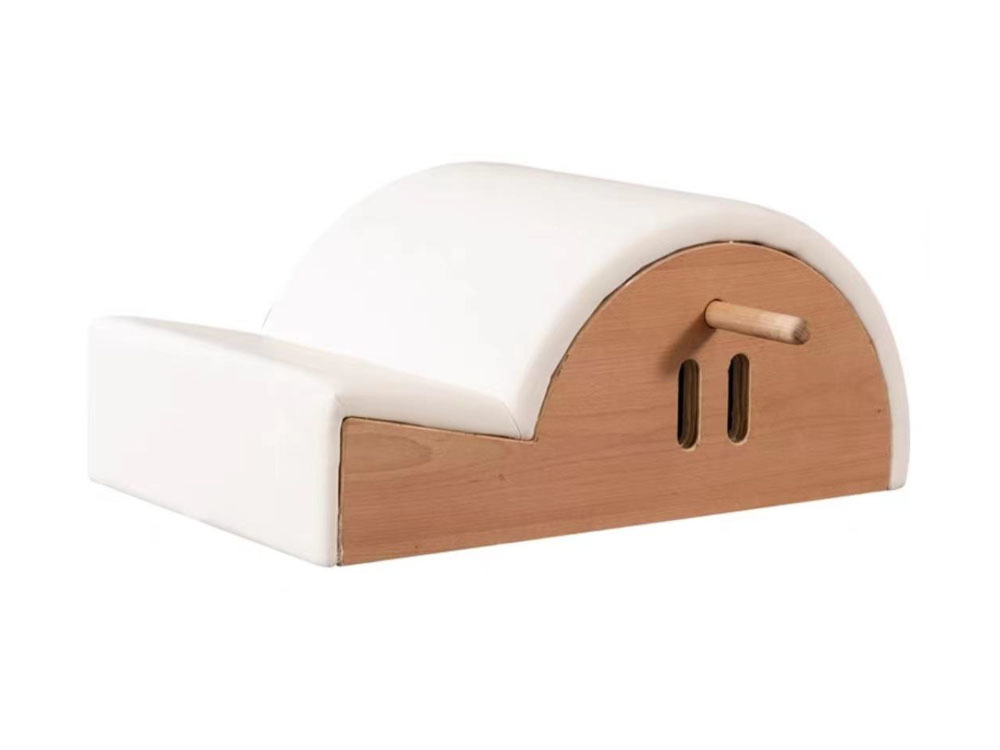
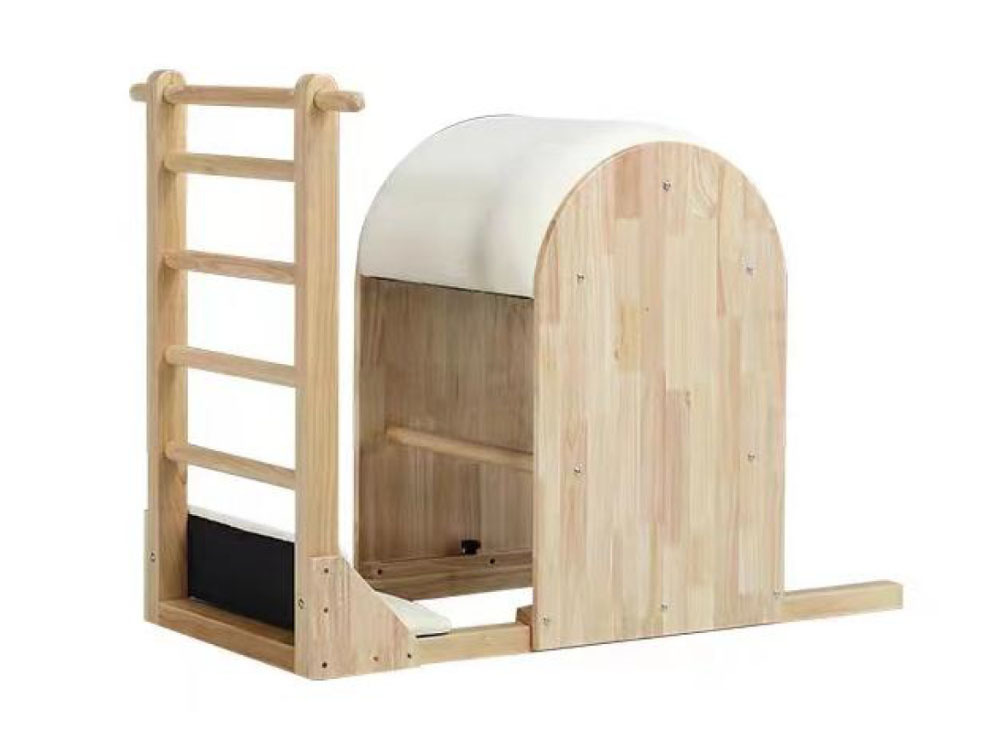
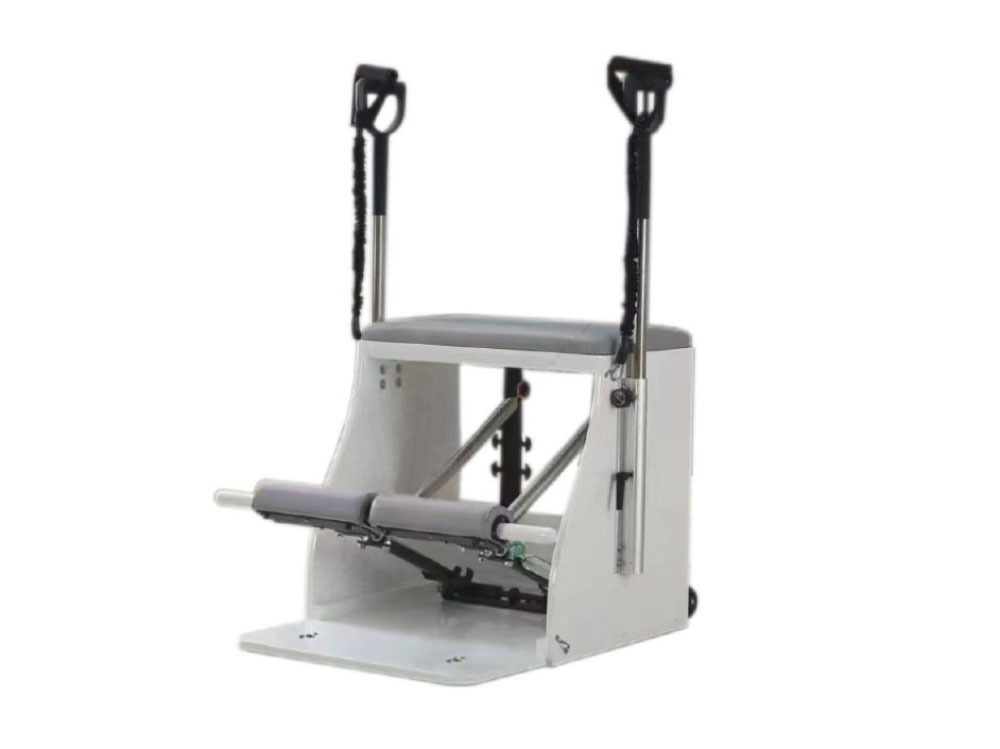

with 16 years of design experience and professional team, can meet the different needs of different customers, design and manufacture better sports aid equipment. Products are exported to France, Canada, South Korea, Australia and so on.


Contact Information
Tel: +86-13103377000 / +86-13131181213
E-mail: furuili003@frlpilates.com
WhatsApp: +86-15831880002
Add: No. 25 Xiangyang Road, Xiaochai Development Zone, Longhuadian Township, Hejian City, Hebei Province
Consult
If you are interested in our products, please leave your email, we will contact you as soon as possible, thank you!