
From Injury to Strength: Harnessing the Power of Pilates Orthotics for Effective Recovery
Release Time:
Feb 05,2026
From Injury to Strength: Harnessing the Power of Pilates Orthotics for Effective Recovery Table of Contents Introduction to Pilates Orthotics and Recovery Understanding Pilates Orthotics Benefits of Using Pilates Orthotics in Rehabilitation Types of Pilates Orthotics and Their Uses How to Incorporate Pilates Orthotics in Your Recovery Plan Best Practices for Using Pilates
From Injury to Strength: Harnessing the Power of Pilates Orthotics for Effective Recovery
Table of Contents
- Introduction to Pilates Orthotics and Recovery
- Understanding Pilates Orthotics
- Benefits of Using Pilates Orthotics in Rehabilitation
- Types of Pilates Orthotics and Their Uses
- How to Incorporate Pilates Orthotics in Your Recovery Plan
- Best Practices for Using Pilates Orthotics
- Common Misconceptions About Pilates Orthotics
- Frequently Asked Questions
- Conclusion
Introduction to Pilates Orthotics and Recovery
Recovery from an injury can be a daunting process. It often requires a combination of physical therapy, exercise, and sometimes, the use of specialized equipment. One of the most effective tools in this recovery arsenal is **Pilates orthotics**. These orthotics offer a unique approach to strengthening the body while accommodating injuries. In this article, we will delve into the various aspects of Pilates orthotics, demonstrating how they can facilitate effective recovery and lead to a stronger, more resilient body.
Understanding Pilates Orthotics
Pilates orthotics are specially designed supports that enhance the body’s alignment and movement. Unlike traditional orthotics that focus solely on foot support, Pilates orthotics integrate the principles of Pilates to provide comprehensive support. These devices promote stability, enhance body awareness, and encourage proper biomechanics during rehabilitation exercises.
The primary goal of **Pilates orthotics** is to facilitate **functional movement** while minimizing discomfort and preventing further injury. They are designed to be lightweight, flexible, and can often be customized to suit individual needs.
Benefits of Using Pilates Orthotics in Rehabilitation
The integration of Pilates orthotics into a rehabilitation program offers numerous benefits:
1. Enhanced Body Alignment
Correct alignment is crucial during recovery. Pilates orthotics help ensure that the body maintains an optimal position, reducing the risk of compensatory movements that could exacerbate injuries.
2. Improved Stability and Balance
By promoting stability, Pilates orthotics can enhance balance, making it easier to perform rehabilitation exercises effectively. This stability aids in rebuilding strength and confidence during recovery.
3. Pain Reduction
By providing support and aiding in proper alignment, Pilates orthotics can alleviate discomfort. This reduction in pain allows individuals to engage more fully in their rehabilitation routines.
4. Increased Flexibility
Pilates techniques emphasize flexibility, and using orthotics can enhance this aspect of recovery. Increased flexibility contributes to better overall movement patterns and aids in preventing future injuries.
5. Customization
Many Pilates orthotics can be tailored to meet the specific needs of the individual, ensuring a more effective recovery process. Custom orthotics can address unique anatomical concerns, providing the necessary support where it is needed most.
Types of Pilates Orthotics and Their Uses
There are various types of Pilates orthotics designed for different purposes. Understanding these types can help individuals choose the most appropriate option for their recovery needs.
1. Foot Orthotics
These are custom-made insoles that provide support for the feet, improving overall alignment and function during Pilates exercises. They are particularly beneficial for individuals with foot-related injuries or conditions.
2. Back Supports
Back supports are designed to promote proper spinal alignment while performing exercises. They help alleviate strain on the back, making it easier to engage in core-strengthening activities.
3. Pelvic Supports
Pelvic orthotics focus on stabilizing the pelvis, which is crucial for maintaining proper alignment throughout the body. They are especially helpful for individuals recovering from hip or lower back injuries.
4. Knee Braces
Knee braces provide support and stability to the knee joint during rehabilitation exercises. They can help individuals regain strength and mobility after knee injuries.
How to Incorporate Pilates Orthotics in Your Recovery Plan
Integrating Pilates orthotics into your recovery plan involves several key steps:
1. Consultation with a Professional
Before incorporating any orthotic devices, consult with a healthcare professional or certified Pilates instructor. They can assess your condition and recommend the appropriate type of orthotic for your needs.
2. Gradual Introduction
Start by incorporating orthotics gradually into your routine. Begin with short sessions to allow your body to adapt to the support they provide.
3. Focus on Alignment
Pay close attention to your body’s alignment while using the orthotics. Engaging in Pilates exercises with a focus on proper form will maximize the benefits of the orthotic support.
4. Combine with Holistic Practices
Incorporate complementary practices, such as stretching and mindfulness, into your recovery plan. This holistic approach can enhance the effectiveness of Pilates orthotics.
5. Monitor Progress
Regularly assess your progress and adjust your recovery plan as needed. Working with a professional can help ensure you’re on the right track and making the most of your orthotic support.
Best Practices for Using Pilates Orthotics
To make the most of your Pilates orthotics, consider the following best practices:
1. Regular Cleaning and Maintenance
Keep your orthotics clean and well-maintained. Regular cleaning helps prevent wear and tear, ensuring they remain effective throughout your recovery.
2. Follow Specific Instructions
Adhere to any specific instructions provided by healthcare professionals regarding the use of your orthotics. Individualized guidance ensures optimal results.
3. Commit to Your Routine
Consistency is key in recovery. Commit to a regular Pilates routine that incorporates orthotics to promote strength and stability over time.
4. Listen to Your Body
Pay attention to your body’s signals. If you experience pain or discomfort while using orthotics, consult with a professional to adjust your approach.
5. Stay Informed
Educate yourself about the latest developments in Pilates and rehabilitation practices. Staying informed can help you optimize your recovery journey.
Common Misconceptions About Pilates Orthotics
Despite the benefits, several misconceptions surround Pilates orthotics that may prevent individuals from utilizing them effectively.
1. Orthotics Are Only for Serious Injuries
Many people believe that orthotics are only necessary for severe injuries. In reality, they can benefit anyone seeking to improve their alignment and functional movement, whether recovering from an injury or simply enhancing performance.
2. They Are Uncomfortable
While some may assume that orthotics will be uncomfortable, many are designed for comfort and support. With proper fitting and usage, they can enhance your experience during Pilates sessions.
3. Orthotics Are a Crutch
Some individuals may think relying on orthotics will weaken their body. On the contrary, they can serve as a valuable tool for rebuilding strength and stability, ultimately leading to a more resilient body.
Frequently Asked Questions
1. How do I know if I need Pilates orthotics?
If you are experiencing discomfort during Pilates exercises or have had a previous injury, consulting with a healthcare professional can help determine if orthotics might be beneficial for you.
2. Can Pilates orthotics be used in other forms of exercise?
Yes, while they are designed for Pilates, many orthotics can be used in various forms of exercise to provide support and promote proper alignment.
3. How long does it take to see results using Pilates orthotics?
Results can vary based on individual circumstances, but many individuals start experiencing improvements in comfort and alignment within a few weeks of consistent use.
4. Are Pilates orthotics suitable for all ages?
Pilates orthotics can be tailored for various age groups and fitness levels, making them suitable for a wide range of individuals.
5. Where can I purchase high-quality Pilates orthotics?
Consult with a professional to find reputable suppliers or specialty stores that offer customized Pilates orthotics tailored to your specific needs.
Conclusion
Incorporating Pilates orthotics into your recovery journey can pave the way from injury to strength. By enhancing body alignment, stability, and overall movement quality, these specialized supports provide invaluable assistance during rehabilitation. Remember, the path to recovery is unique for everyone, and utilizing orthotics can be a game-changer in regaining strength and functionality. With informed usage and guidance from professionals, you can harness the power of Pilates orthotics to facilitate an effective and empowering recovery process. Embrace the journey and step confidently toward a stronger, healthier future.
You Can Also Learn More About Industry Trends
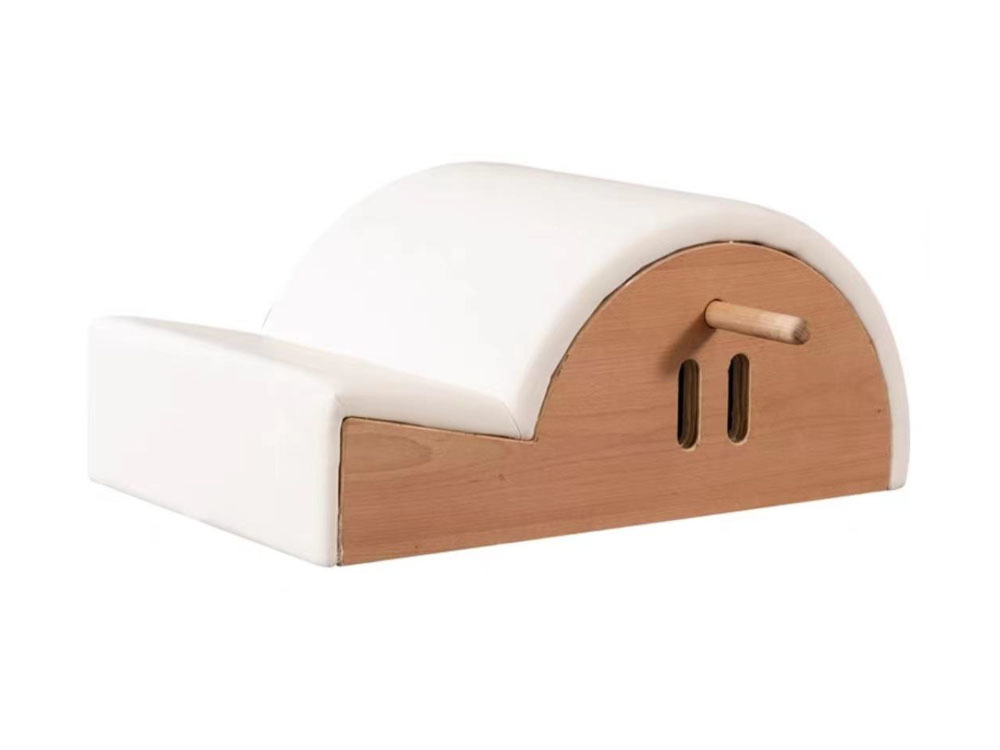
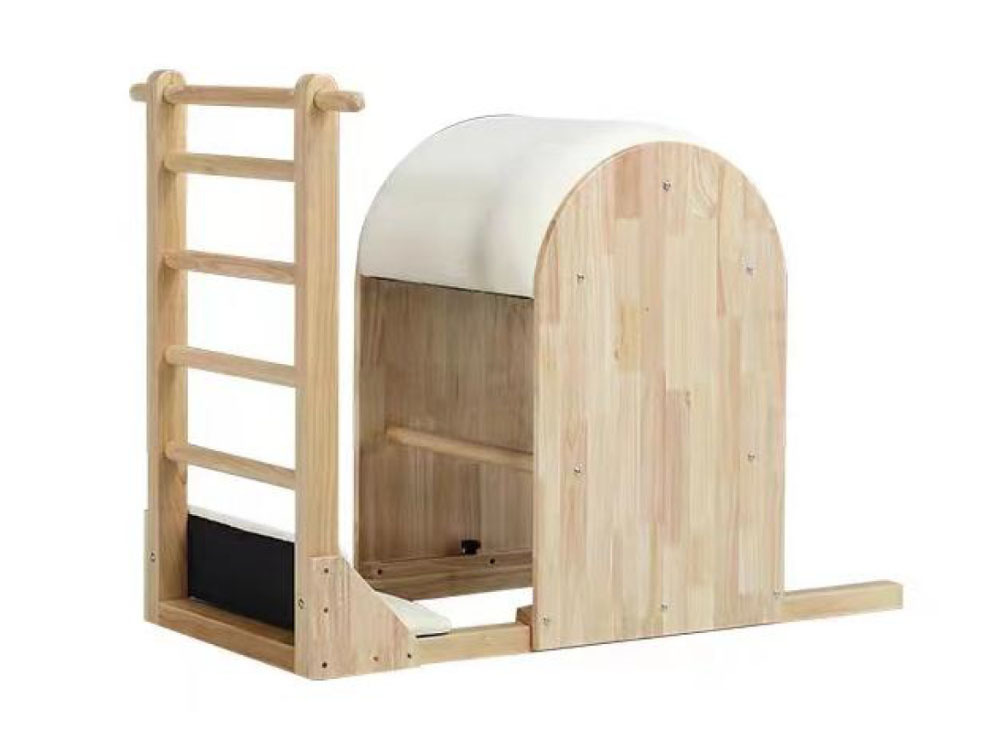
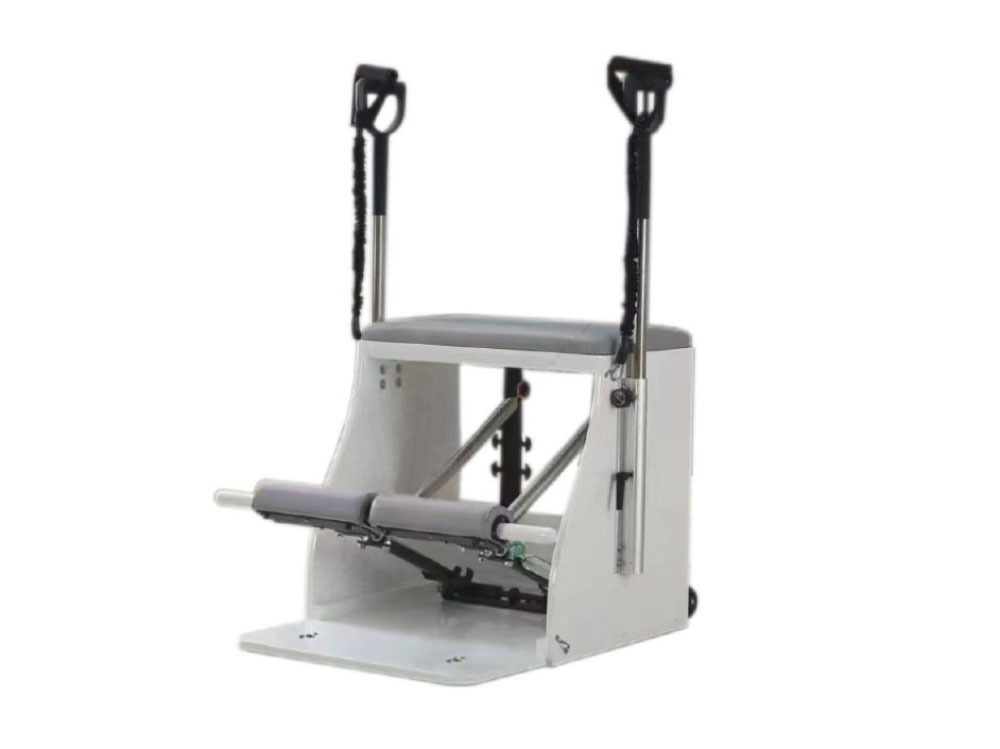

with 16 years of design experience and professional team, can meet the different needs of different customers, design and manufacture better sports aid equipment. Products are exported to France, Canada, South Korea, Australia and so on.


Contact Information
Tel: +86-13103377000 / +86-13131181213
E-mail: furuili003@frlpilates.com
WhatsApp: +86-15831880002
Add: No. 25 Xiangyang Road, Xiaochai Development Zone, Longhuadian Township, Hejian City, Hebei Province
Consult
If you are interested in our products, please leave your email, we will contact you as soon as possible, thank you!