
Unlocking the Power of Flexibility with the Pilates Foam Spine Corrector: Your Comprehensive Guide
Release Time:
Jan 22,2026
Unlocking the Power of Flexibility with the Pilates Foam Spine Corrector Table of Contents 1. Introduction to the Pilates Foam Spine Corrector 2. What is Pilates? 3. The Importance of Flexibility in Fitness 4. Benefits of the Pilates Foam Spine Corrector 5. How to Use the Foam Spine Corrector Effectively 6. Essential Exercises with the Spine Corrector 7. Safety Tips fo
Unlocking the Power of Flexibility with the Pilates Foam Spine Corrector
Table of Contents
- 1. Introduction to the Pilates Foam Spine Corrector
- 2. What is Pilates?
- 3. The Importance of Flexibility in Fitness
- 4. Benefits of the Pilates Foam Spine Corrector
- 5. How to Use the Foam Spine Corrector Effectively
- 6. Essential Exercises with the Spine Corrector
- 7. Safety Tips for Using the Spine Corrector
- 8. Maintaining Your Pilates Equipment
- 9. Conclusion
- 10. Frequently Asked Questions
1. Introduction to the Pilates Foam Spine Corrector
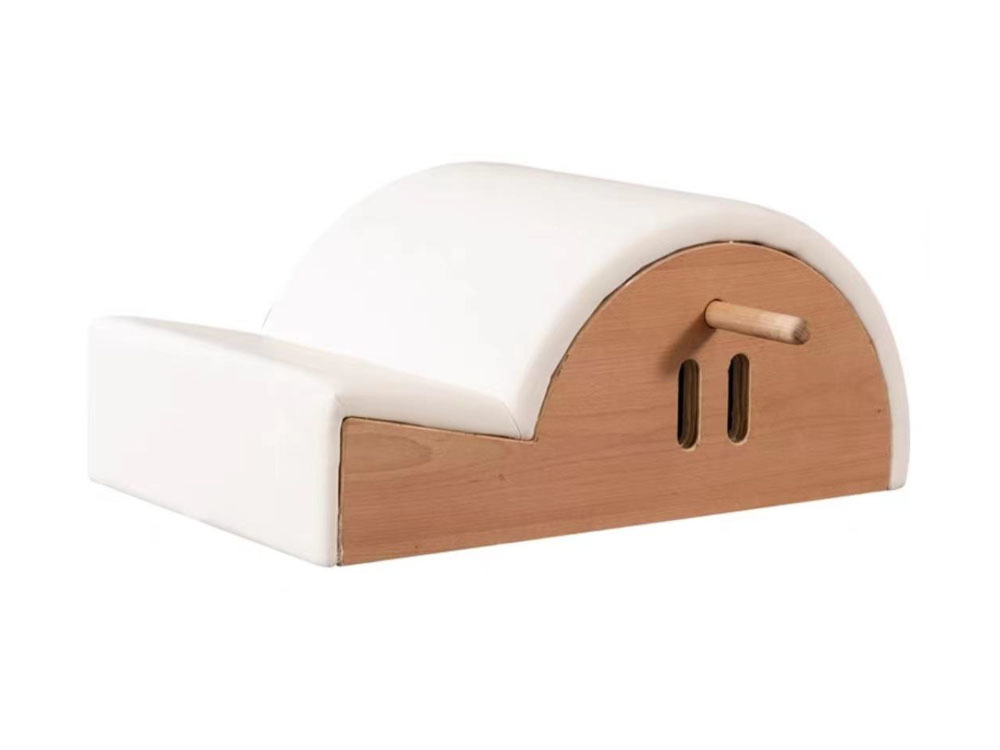
The **Pilates Foam Spine Corrector** is a versatile piece of equipment designed to support practitioners in enhancing their flexibility, improving spinal alignment, and deepening their understanding of body mechanics. Whether you are a seasoned Pilates enthusiast or a beginner, incorporating this tool into your fitness routine can yield substantial benefits.
In this comprehensive guide, we delve into the essential aspects of the Pilates Foam Spine Corrector, including its benefits, usage techniques, and exercises tailored to maximize its potential.
2. What is Pilates?
Pilates is a low-impact exercise system developed by Joseph Pilates in the early 20th century. It focuses on strengthening muscles while improving postural alignment and flexibility. The methodology combines physical and mental conditioning, emphasizing core strength, controlled movements, and breath control.
**Key Principles of Pilates:**
- **Concentration:** Full attention on the movement.
- **Control:** Precision in every exercise.
- **Centering:** Strengthening the core to support the body.
- **Flow:** Seamless transitions between movements.
- **Breathing:** Enhancing oxygen flow through proper breathing techniques.
These principles make Pilates a suitable practice for individuals of all ages and fitness levels, addressing various physical concerns from rehabilitation to athletic performance.
3. The Importance of Flexibility in Fitness
Flexibility is a crucial component of overall fitness. It enables the body to move freely and efficiently through various ranges of motion. Here are some reasons why flexibility is essential in your fitness journey:
- **Injury Prevention:** Increased flexibility helps prevent injuries by allowing joints to move through their full range of motion.
- **Improved Posture:** Flexible muscles contribute to better posture, reducing the strain on the spine and preventing discomfort.
- **Enhanced Performance:** Flexibility allows for greater efficiency in physical activities, enhancing athletic performance.
- **Stress Relief:** Stretching and flexibility exercises promote relaxation and reduce muscle tension.
Incorporating flexibility training into your routine, particularly with tools like the Pilates Foam Spine Corrector, can yield significant benefits for your body and overall well-being.
4. Benefits of the Pilates Foam Spine Corrector
The Pilates Foam Spine Corrector offers a multitude of benefits that can significantly enhance your Pilates practice.
4.1 Improved Spinal Alignment
The Spine Corrector aids in achieving proper spinal alignment by providing support during exercises. This alignment is crucial for maintaining a healthy spine and preventing back pain.
4.2 Enhanced Flexibility
Regular use of the Foam Spine Corrector can increase flexibility in the back, hips, and shoulders. Its design encourages gentle stretching and elongation of the spine.
4.3 Strengthened Core Muscles
Engaging with the Spine Corrector challenges the core muscles, promoting strength and stability, which are essential in both daily activities and athletic performance.
4.4 Versatile Training Tool
The Spine Corrector can be used for a variety of exercises, making it a versatile addition to any fitness routine. It can be incorporated into reformer classes or used independently.
4.5 Accessibility for All Levels
This equipment is suitable for beginners and advanced practitioners alike, providing different levels of challenge. It's an excellent tool for rehabilitation and recovery as well.
5. How to Use the Foam Spine Corrector Effectively
Using the Foam Spine Corrector correctly is vital for maximizing its benefits. Here are some tips for effective use:
5.1 Start with Proper Positioning
Ensure that you are positioned correctly on the Spine Corrector. The curve of the corrector should align with your spine, providing support while you perform various exercises.
5.2 Focus on Controlled Movements
Practice controlled and deliberate movements, engaging your core throughout each exercise. This focus will help you develop strength and flexibility effectively.
5.3 Integrate Breathing Techniques
Utilize proper breathing techniques to support your movements. Inhale deeply to prepare for the movement and exhale as you execute the exercise.
5.4 Gradually Increase Difficulty
Begin with basic exercises and gradually incorporate more challenging movements as your strength and flexibility improve. This progressive approach will help prevent injury.
6. Essential Exercises with the Spine Corrector
A variety of exercises can be performed using the Pilates Foam Spine Corrector. Below are a few essential movements to incorporate into your routine:
6.1 Spine Stretch
- Sit on the Foam Spine Corrector with your legs extended.
- Inhale deeply and lengthen your spine, then exhale as you gently reach forward, aiming to touch your toes.
- Hold for a few seconds and return to the starting position.
6.2 Back Extension
- Lie face down on the Spine Corrector with your hips at the base and your arms extended above your head.
- Inhale while lifting your upper body, engaging your back muscles.
- Hold the position for a moment before lowering back down.
6.3 Side Bend
- Sit sideways on the Foam Spine Corrector with one leg bent and the other extended.
- Inhale and lift the arm opposite to the bent leg, stretching upwards.
- Exhale and lean to the side, feeling the stretch along the side of your body.
6.4 Hip Flexor Stretch
- Kneel beside the Foam Spine Corrector with one knee on the ground and the other foot placed on the corrector.
- Lean forward gently, keeping your back straight, to stretch the hip flexors.
- Hold for several breaths before switching sides.
6.5 Seated Twist
- Sit on the Foam Spine Corrector with your legs crossed.
- Place one hand behind you for support and twist your torso, looking over your shoulder.
- Hold the stretch before switching sides.
These exercises are only a starting point. Experiment with various movements to discover what works best for your body and goals.
7. Safety Tips for Using the Spine Corrector
To ensure a safe and effective workout with the Pilates Foam Spine Corrector, keep the following safety tips in mind:
7.1 Listen to Your Body
If you experience pain or discomfort, stop the exercise immediately. It’s essential to differentiate between the discomfort of stretching and pain that indicates injury.
7.2 Use a Mat for Stability
Consider using a yoga or exercise mat underneath the Spine Corrector for added stability and cushioning.
7.3 Work with a Professional
If you are new to Pilates or using the Spine Corrector, consider working with a certified instructor. They can provide personalized guidance and ensure proper techniques.
7.4 Avoid Overstretching
Pushing your body beyond its limits can lead to injuries. Always work within your comfort zone and gradually progress as your flexibility improves.
8. Maintaining Your Pilates Equipment
Proper maintenance of your Pilates equipment, including the Foam Spine Corrector, will ensure its longevity and effectiveness.
8.1 Regular Cleaning
Wipe down the surface of the Spine Corrector after each use to remove sweat and dirt. Use a mild soap solution and a soft cloth for cleaning.
8.2 Store Properly
When not in use, store the Spine Corrector in a dry place, away from direct sunlight. This helps prevent wear and tear.
8.3 Check for Damage
Regularly inspect your Spine Corrector for any signs of damage, such as cracks or tears. Address any issues promptly to ensure safe use.
9. Conclusion
The Pilates Foam Spine Corrector is an invaluable tool for enhancing flexibility, improving spinal alignment, and deepening your Pilates practice. By incorporating it into your fitness routine, you can experience the numerous benefits it offers, from increased core strength to enhanced overall well-being.
**Through dedicated practice and mindful use, the Foam Spine Corrector can empower you to unlock your body’s full potential.** Embrace the journey, and watch as your flexibility and strength flourish over time.
10. Frequently Asked Questions
10.1 Who can benefit from using the Foam Spine Corrector?
Anyone, from beginners to advanced practitioners, can benefit from the Foam Spine Corrector. It is suitable for various fitness levels and can aid in rehabilitation.
10.2 How often should I use the Foam Spine Corrector?
For optimal results, aim to incorporate the Spine Corrector into your routine 2-3 times a week. Consistency is key to improving flexibility and strength.
10.3 Can I use the Spine Corrector if I have a back injury?
If you have a pre-existing back injury, consult your healthcare provider before using the Spine Corrector. They can provide guidance on safe practices.
10.4 What materials are Foam Spine Correctors made of?
Most Foam Spine Correctors are made of high-density foam, which provides support and durability. Look for quality materials for longevity.
10.5 Are there any modifications for beginners?
Yes, beginners can start with simpler exercises and gradually progress to more complex movements as their strength and flexibility improve. Adjustments can also be made to enhance comfort.
By understanding and utilizing the Pilates Foam Spine Corrector, you can take significant strides toward achieving your fitness goals, ensuring that your journey is both rewarding and enriching.
You Can Also Learn More About Industry Trends

with 16 years of design experience and professional team, can meet the different needs of different customers, design and manufacture better sports aid equipment. Products are exported to France, Canada, South Korea, Australia and so on.


Contact Information
Tel: +86-13103377000 / +86-13131181213
E-mail: furuili003@frlpilates.com
WhatsApp: +86-15831880002
Add: No. 25 Xiangyang Road, Xiaochai Development Zone, Longhuadian Township, Hejian City, Hebei Province
Consult
If you are interested in our products, please leave your email, we will contact you as soon as possible, thank you!