
Transform Your Fitness with Effective Beginners' Pilates Machine Workout Techniques
Release Time:
Dec 04,2025
Transform Your Fitness: Beginners' Pilates Machine Workout Techniques Table of Contents 1. Introduction to Pilates and Its Benefits 2. What is a Pilates Machine? 3. Benefits of Using a Pilates Machine for Beginners 4. Getting Started with Your Pilates Machine 5. Basic Pilates Machine Techniques for Beginners 5.1 The Bridge 5.2 Footwork
Transform Your Fitness: Beginners' Pilates Machine Workout Techniques
Table of Contents
- 1. Introduction to Pilates and Its Benefits
- 2. What is a Pilates Machine?
- 3. Benefits of Using a Pilates Machine for Beginners
- 4. Getting Started with Your Pilates Machine
- 5. Basic Pilates Machine Techniques for Beginners
- 6. Safety Tips for Using a Pilates Machine
- 7. Creating Your Own Pilates Workout Routine
- 8. Common Mistakes to Avoid in Pilates
- 9. Frequently Asked Questions
- 10. Conclusion: Start Your Pilates Journey Today!
1. Introduction to Pilates and Its Benefits
Pilates is a low-impact exercise regimen that emphasizes core strength, flexibility, and overall body alignment. Developed by Joseph Pilates in the early 20th century, this method has gained immense popularity among fitness enthusiasts for its ability to improve posture, enhance body awareness, and provide a full-body workout without the strain often associated with high-impact exercises.
For beginners, starting with a **Pilates machine** can significantly enhance the learning experience, providing support and resistance that can be adjusted according to individual fitness levels. This article explores various **Pilates machine workout techniques** that can transform your fitness journey, focusing on clear, actionable steps to ensure you get the most out of your practice.
2. What is a Pilates Machine?
A **Pilates machine**, often referred to as a reformer, consists of a platform that moves along a track and is equipped with springs that provide resistance. This apparatus allows users to perform a variety of exercises while maintaining proper alignment and form. With a range of adjustments available, a Pilates machine is suitable for individuals of all fitness levels, making it an excellent choice for beginners.
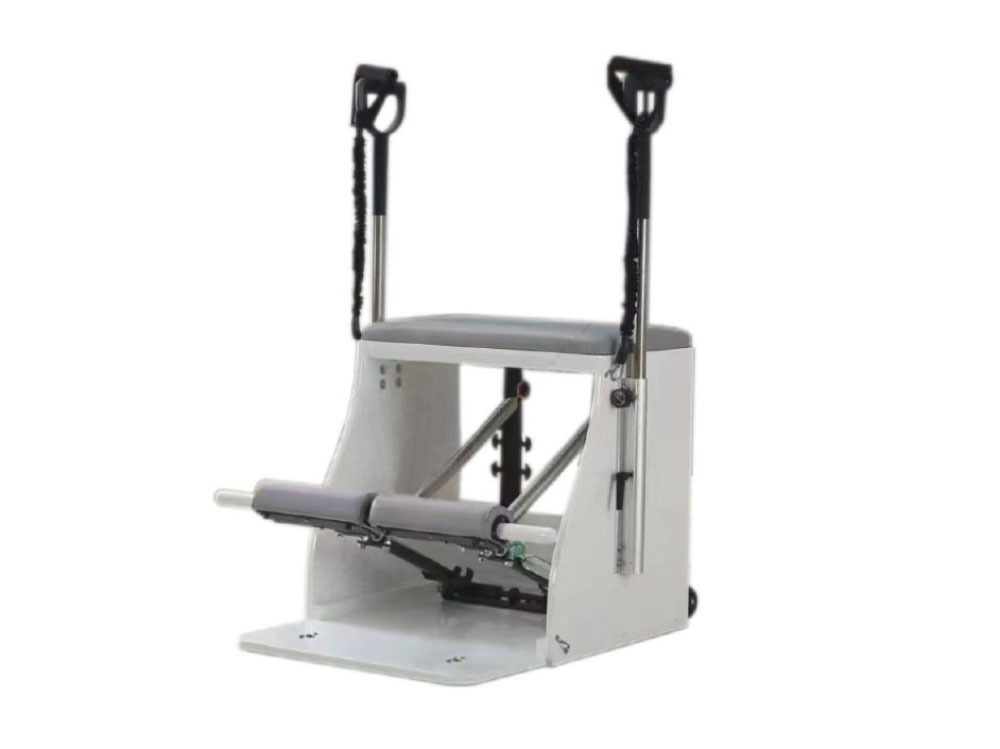
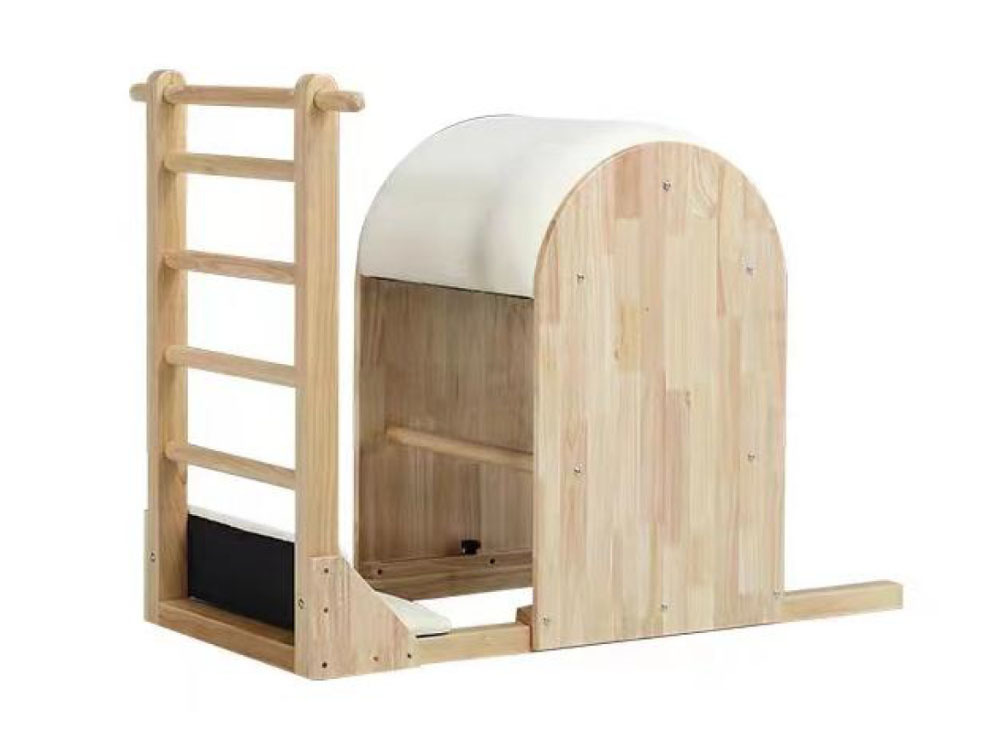
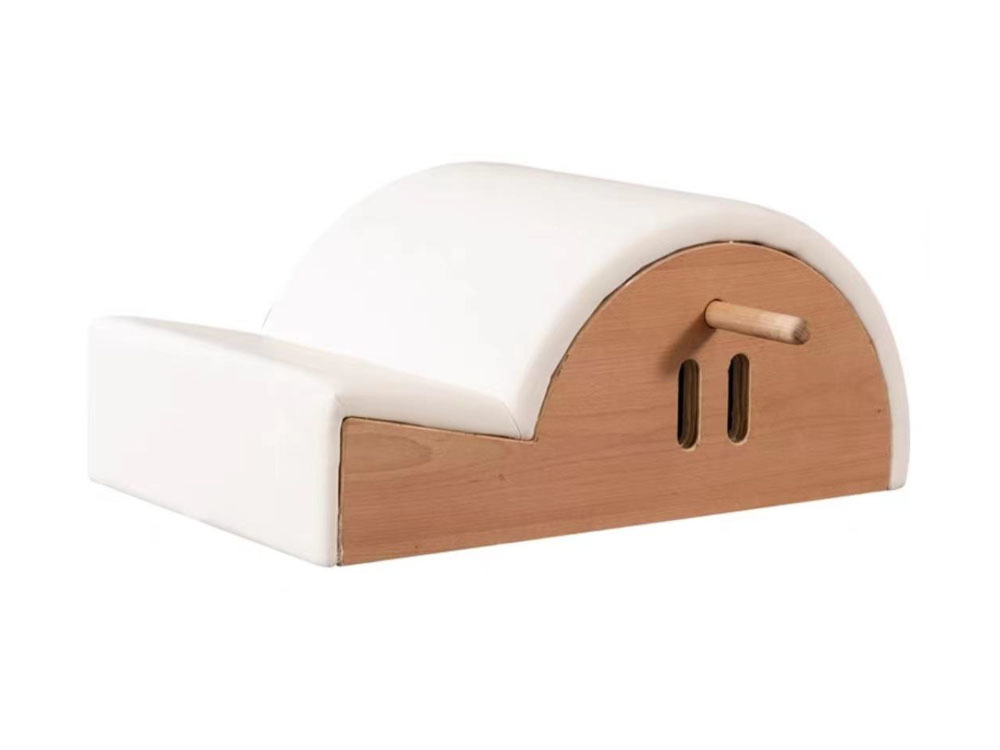
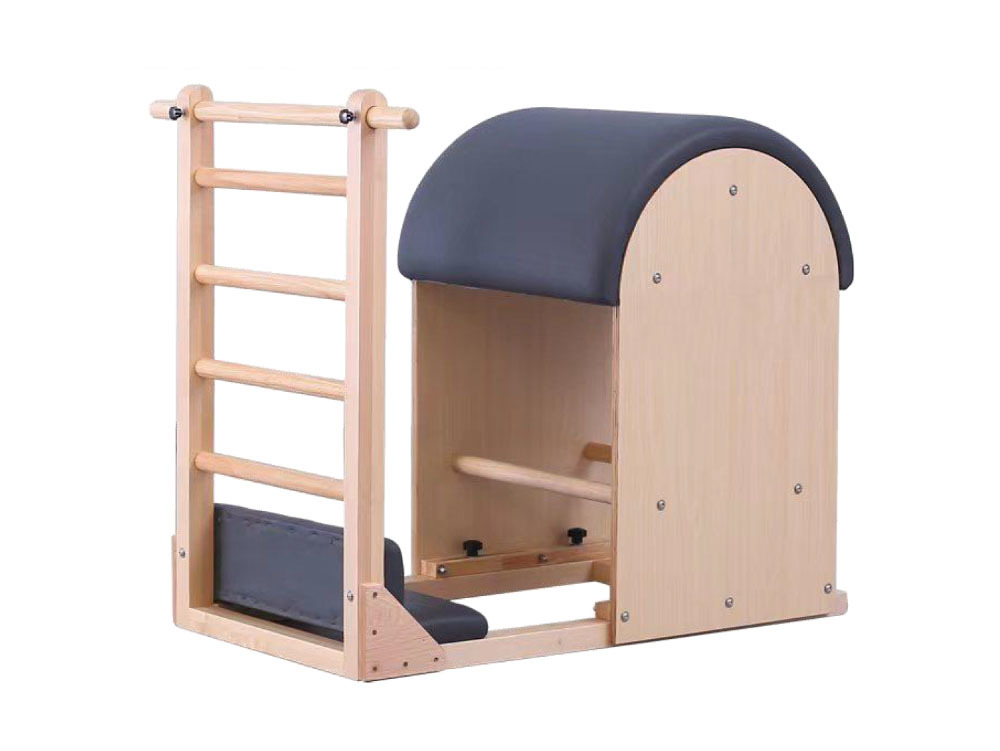
Beyond the reformer, other Pilates equipment includes the Cadillac, chair, and barrels, each offering unique exercises and benefits. However, for beginners, the reformer is often the best starting point, as it provides a versatile foundation for learning the fundamental movements of Pilates.
3. Benefits of Using a Pilates Machine for Beginners
Utilizing a Pilates machine offers numerous advantages for those just starting their fitness journey. Below are some key benefits:
Enhances Core Strength
A strong core is essential for overall fitness and injury prevention. Pilates focuses on developing core muscles, which can improve posture, stability, and balance.
Improves Flexibility
Regular practice on a Pilates machine helps to enhance flexibility, enabling your body to move more freely and reducing the risk of injury.
Promotes Mind-Body Connection
Pilates encourages mindfulness and body awareness, helping individuals to focus on their movements and breath, thereby enhancing overall mental well-being.
Provides Customizable Resistance
With adjustable springs, beginners can easily tailor their workouts to suit their individual fitness levels, making it accessible to all.
Reduces Risk of Injury
Pilates is designed to be safe and supportive, making it an ideal choice for beginners or those recovering from injuries.
4. Getting Started with Your Pilates Machine
Before diving into your Pilates workout, it’s crucial to familiarize yourself with the machine. Here are steps to get you started:
Finding the Right Pilates Machine
If you're new to Pilates, opt for a reformer that's easy to adjust and offers a variety of resistance levels. Consider joining a class or working with a certified instructor to ensure you're using the machine correctly.
Understanding the Machine Components
Familiarize yourself with the reformer parts: the footbar, carriage, springs, and straps. Knowing how to adjust these components will empower you to customize your workouts effectively.
Warm-Up Exercises
Start with a gentle warm-up to prepare your body for movement. Simple stretches and light movements on the reformer can help increase blood flow and reduce the risk of injury.
5. Basic Pilates Machine Techniques for Beginners
Now that you’re familiar with the machine, let’s explore some essential Pilates exercises. These foundational movements will help you build strength, flexibility, and coordination.
5.1 The Bridge
**The Bridge** is a fantastic exercise that targets the glutes, hamstrings, and core. Here's how to perform it:
1. **Start Position**: Lie on your back on the reformer, with your feet placed on the footbar shoulder-width apart and your knees bent.
2. **Engage Core**: Press through your heels, engage your core, and lift your hips toward the ceiling.
3. **Hold**: Maintain a straight line from your shoulders to your knees at the top of the movement.
4. **Lower Down**: Slowly lower your hips back down to the reformer. Repeat for 10-15 repetitions.
5.2 Footwork
**Footwork** helps to strengthen the legs and improve ankle stability. Here’s how to execute this exercise:
1. **Start Position**: Sit on the reformer with your feet on the footbar, hip-width apart.
2. **Press Out**: Push the carriage away while keeping your legs straight, and then pull it back in.
3. **Variations**: Experiment with different foot positions (toes, heels, and arches) to target various muscle groups. Aim for 10-15 repetitions for each variation.
5.3 The Teaser
**The Teaser** is a classic Pilates exercise that strengthens the abs and improves balance. Here’s how to perform it:
1. **Start Position**: Sit on the reformer with your knees bent and feet on the floor.
2. **Lift**: Engage your core and lift your legs off the ground, extending them out.
3. **Balance**: Lean back slightly while maintaining balance on the sit bones.
4. **Hold and Release**: Hold for a few seconds, then return to the starting position. Aim for 5-10 repetitions.
6. Safety Tips for Using a Pilates Machine
While Pilates is generally safe, it's essential to keep a few safety tips in mind:
Listen to Your Body
Pay attention to how your body feels during each exercise. If you experience pain or discomfort, stop and reassess your form.
Adjust Resistance Wisely
Start with lighter resistance to ensure proper form, and gradually increase the resistance as you become more comfortable and confident.
Use Proper Form
Maintaining proper alignment and posture is critical in Pilates. If you're unsure about your form, consider working with a certified instructor.
Stay Hydrated
Drink water before, during, and after your workout to stay hydrated and energized.
7. Creating Your Own Pilates Workout Routine
To build a consistent practice, consider incorporating the following elements into your Pilates routine:
Frequency
Aim to practice Pilates at least 2-3 times per week for optimal results.
Duration
Each session can range from 30 minutes to an hour, depending on your availability and fitness level.
Exercise Variety
Mix up your routine by incorporating different exercises and modifying the intensity. This will keep your workouts engaging and effective.
8. Common Mistakes to Avoid in Pilates
Avoiding common pitfalls can greatly enhance your Pilates experience:
Neglecting Core Engagement
Failing to engage your core can lead to poor form and ineffective workouts. Always focus on your body’s center.
Overextending Movements
Don't push your body beyond its limits. Overextending can lead to injury. Focus on controlled movements and gradual progression.
Skipping the Warm-Up
Always warm up before starting your workout. Skipping warm-up exercises can lead to injury and decreased performance.
9. Frequently Asked Questions
1. How often should beginners practice Pilates?
Beginners should aim to practice Pilates at least 2-3 times per week for optimal progress.
2. Do I need to have prior fitness experience to start Pilates?
No prior experience is necessary. Pilates is suitable for individuals of all fitness levels.
3. Can Pilates help with weight loss?
While Pilates is not primarily a weight-loss program, it can contribute to weight loss when combined with a balanced diet and regular cardio exercises.
4. How long does it take to see results from Pilates?
Results vary by individual, but many people notice improvements in strength, flexibility, and posture within a few weeks of consistent practice.
5. Is a Pilates machine necessary for practice?
While a Pilates machine offers additional support and resistance, many exercises can be performed on a mat. However, using a machine can enhance your experience, especially as a beginner.
10. Conclusion: Start Your Pilates Journey Today!
Embarking on your Pilates journey can be a rewarding experience, offering numerous physical and mental benefits. By incorporating the techniques discussed in this article, you can build a solid foundation in Pilates and transform your fitness regimen. Remember to listen to your body, adjust your routines as needed, and most importantly, enjoy the journey of self-discovery and growth through Pilates. Whether you seek strength, flexibility, or a deeper mind-body connection, the Pilates machine can be your gateway to achieving your fitness goals. Start today, and watch as your body transforms!
You Can Also Learn More About Industry Trends

with 16 years of design experience and professional team, can meet the different needs of different customers, design and manufacture better sports aid equipment. Products are exported to France, Canada, South Korea, Australia and so on.


Contact Information
Tel: +86-13103377000 / +86-13131181213
E-mail: furuili003@frlpilates.com
WhatsApp: +86-15831880002
Add: No. 25 Xiangyang Road, Xiaochai Development Zone, Longhuadian Township, Hejian City, Hebei Province
Consult
If you are interested in our products, please leave your email, we will contact you as soon as possible, thank you!