
How to Incorporate a Pilates Foam Spine Corrector into Your Workouts for Optimal Health
Release Time:
Nov 13,2025
Introduction to the Pilates Foam Spine Corrector The Pilates foam spine corrector, often considered a hidden gem in the fitness world, serves as an invaluable tool for enhancing workouts. Its unique design not only promotes spinal alignment but also aids in improving flexibility and posture. For fitness enthusiasts and Pilates practitioners alike, understanding how to effectively incorporate thi
Introduction to the Pilates Foam Spine Corrector
The Pilates foam spine corrector, often considered a hidden gem in the fitness world, serves as an invaluable tool for enhancing workouts. Its unique design not only promotes spinal alignment but also aids in improving flexibility and posture. For fitness enthusiasts and Pilates practitioners alike, understanding how to effectively incorporate this equipment can lead to significant benefits.
The Importance of Spinal Health in Fitness
Maintaining a healthy spine is crucial for overall well-being. Not only does it support our body’s structure, but it also plays a pivotal role in our ability to engage in physical activities. A well-aligned spine can help prevent injuries, enhance athletic performance, and improve daily functioning. The Pilates foam spine corrector is specifically designed to address these aspects, making it a must-have for anyone serious about fitness.
Understanding the Design and Functionality of the Foam Spine Corrector
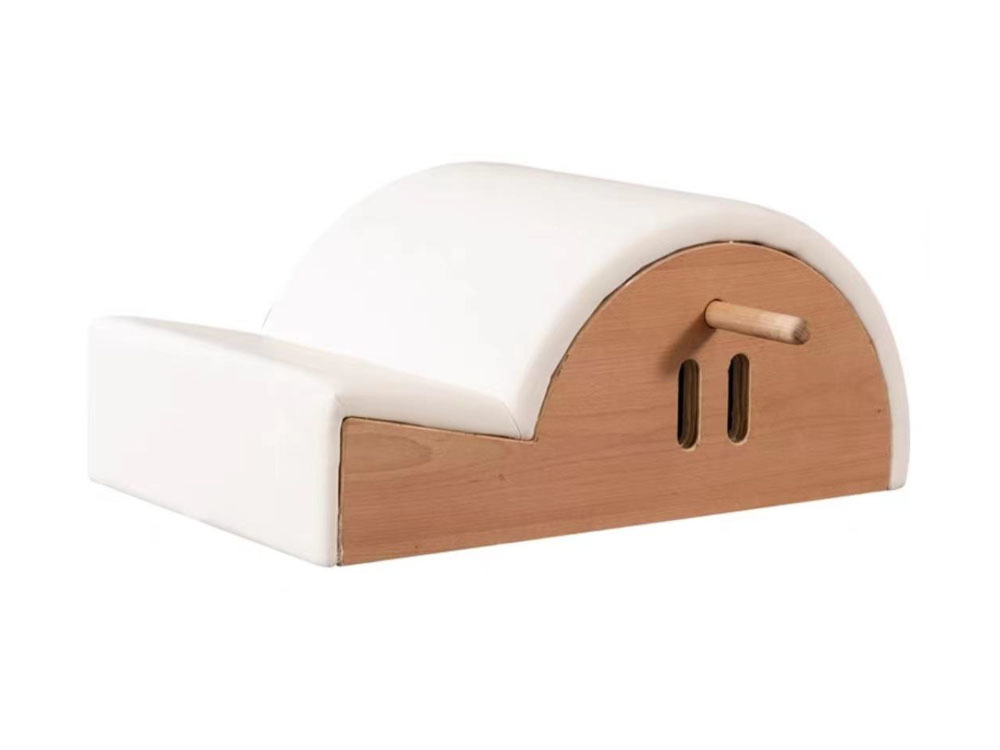
The foam spine corrector features a gentle arch that mimics the natural curvature of the spine, providing support during various exercises. Its lightweight and portable design allows for an array of workouts, whether at home or in a studio setting. Moreover, its versatility makes it suitable for users of all fitness levels, allowing for modifications as needed.
Key Benefits of Using a Foam Spine Corrector
Incorporating a Pilates foam spine corrector into your workouts offers numerous benefits:
- **Improved Posture**: Helps align the spine, reducing slouching and enhancing overall body mechanics.
- **Enhanced Flexibility**: Encourages the elongation of the spine and stretches tight muscles, promoting greater flexibility.
- **Core Strengthening**: Engages the abdominal muscles, contributing to a stronger, more stable core.
- **Injury Prevention**: By promoting proper alignment and muscle engagement, it reduces the risk of injuries during workouts.
- **Increased Mind-Body Connection**: Focused use of the spine corrector encourages mindfulness and awareness of body movements.
How to Use a Pilates Foam Spine Corrector
To effectively incorporate the foam spine corrector into your workouts, it’s essential to understand various techniques and exercises. Below, we detail some effective ways to utilize this tool:
Basic Techniques for Beginners
Before delving into advanced exercises, beginners should familiarize themselves with basic techniques for utilizing the foam spine corrector:
- **Spinal Articulation**: Lying on the corrector with the arch supporting your lower back, gently roll your spine up and down. This movement promotes spinal mobility and awareness.
- **Seated Positioning**: Sit on the corrector with legs extended. Engage your core, sit up tall, and focus on maintaining an elongated spine as you perform seated stretches.
Intermediate Exercises for Enhanced Strength
Once comfortable with the basics, individuals can progress to more intermediate moves:
- **Bridge with Spine Corrector**: Position your feet on the ground and use the corrector as support. Perform a bridge by lifting your hips while maintaining spinal alignment.
- **Single-Leg Raises**: While balancing on the corrector, lift one leg at a time, engaging your core for stability. This exercise targets the abdominal muscles and promotes balance.
Advanced Workouts for Experienced Practitioners
For those with more experience, the following advanced exercises can be beneficial:
- **Plank Variations**: Place your forearms on the foam spine corrector while maintaining a plank position. This variation increases the challenge on the core and shoulder stability.
- **Side Leg Lifts**: Lying on your side with your lower body supported by the corrector, perform leg lifts. This move strengthens hip abductor muscles while promoting proper alignment.
Creating a Balanced Workout Routine with the Spine Corrector
Incorporating the foam spine corrector should be part of a well-rounded fitness routine. Aim to blend strength training, flexibility exercises, and cardiovascular workouts for optimal results. Here’s a suggested weekly workout plan that includes the foam spine corrector:
Sample Weekly Workout Plan
- **Day 1**: Core strengthening with the foam spine corrector (focus on basic and intermediate exercises).
- **Day 2**: Cardio session (running, cycling, or swimming).
- **Day 3**: Flexibility and stretching day, incorporating yoga poses and Pilates techniques.
- **Day 4**: Full-body strength training, utilizing the corrector for specific moves.
- **Day 5**: Rest or light activity (walking or gentle yoga).
- **Day 6**: Advanced training with the foam spine corrector (focusing on challenging exercises).
- **Day 7**: Active recovery, concentrating on flexibility and relaxation.
Tips for Maximizing Your Workout with the Foam Spine Corrector
To truly benefit from your Pilates foam spine corrector, consider these essential tips:
- **Consistency is Key**: Regular use of the corrector can lead to improved results. Aim for at least three sessions per week.
- **Listen to Your Body**: Pay attention to how your body feels during exercises. Modify movements to prevent discomfort or injury.
- **Incorporate Breathing Techniques**: Breathing deeply during exercises enhances focus and promotes relaxation, further benefiting your workouts.
- **Seek Professional Guidance**: If you're new to using the foam spine corrector, consider taking a class or hiring a trainer for personalized guidance.
Common Mistakes to Avoid When Using a Foam Spine Corrector
To ensure safety and effectiveness, be mindful of these common mistakes:
- **Neglecting Alignment**: Always focus on maintaining proper spinal alignment to avoid strain or injury.
- **Overexertion**: Begin with beginner exercises and gradually progress to avoid overexerting your muscles.
- **Ignoring Breathing Patterns**: Failing to incorporate proper breathing can limit the effectiveness of your workouts.
Frequently Asked Questions (FAQs)
1. Can anyone use a Pilates foam spine corrector?
Yes, individuals of all fitness levels can use the foam spine corrector. However, those with specific injuries or medical conditions should consult a healthcare professional before starting any new workout routine.
2. How often should I use the foam spine corrector in my workouts?
For best results, aim to incorporate the foam spine corrector into your routine at least three times a week, focusing on various exercises and techniques.
3. Will the foam spine corrector help with back pain?
Many users find relief from back pain through improved spinal alignment and core strengthening when using the foam spine corrector. However, it’s essential to consult a healthcare professional for personalized advice.
4. What type of exercises can I do with a foam spine corrector?
You can perform a variety of exercises, including spinal articulation, bridges, planks, and leg lifts. The corrector can enhance both strength and flexibility workouts.
5. Do I need to be an experienced Pilates practitioner to use a foam spine corrector?
No, the foam spine corrector is designed for all levels, from beginners to advanced practitioners. Start with basic techniques and gradually progress as you become more comfortable.
Conclusion
Incorporating a Pilates foam spine corrector into your workouts can significantly enhance your fitness routine. By understanding its benefits, utilizing various exercises, and creating a balanced approach to training, you can achieve improved posture, flexibility, and core strength. Remember to stay consistent, listen to your body, and enjoy the journey towards better spinal health. With dedication and the right techniques, you will unleash the full potential of your workouts, paving the way for a healthier and more active lifestyle.
You Can Also Learn More About Industry Trends

with 16 years of design experience and professional team, can meet the different needs of different customers, design and manufacture better sports aid equipment. Products are exported to France, Canada, South Korea, Australia and so on.


Contact Information
Tel: +86-13103377000 / +86-13131181213
E-mail: furuili003@frlpilates.com
WhatsApp: +86-15831880002
Add: No. 25 Xiangyang Road, Xiaochai Development Zone, Longhuadian Township, Hejian City, Hebei Province
Consult
If you are interested in our products, please leave your email, we will contact you as soon as possible, thank you!