
Rehabilitation Revolution: Why Pilates Orthotics Are Essential for Optimal Recovery
Release Time:
Jul 10,2025
Rehabilitation Revolution: Why Pilates Orthotics Are Essential for Optimal Recovery Table of Contents Introduction: The Intersection of Rehabilitation and Pilates Understanding Pilates Orthotics: What They Are and How They Work The Benefits of Using Orthotics in Pilates for Rehabilitation Types of Pilates Orthotics: Finding the Right Fit for Your Needs How to Incorporate Ortho
Rehabilitation Revolution: Why Pilates Orthotics Are Essential for Optimal Recovery
Table of Contents
- Introduction: The Intersection of Rehabilitation and Pilates
- Understanding Pilates Orthotics: What They Are and How They Work
- The Benefits of Using Orthotics in Pilates for Rehabilitation
- Types of Pilates Orthotics: Finding the Right Fit for Your Needs
- How to Incorporate Orthotics into Your Pilates Routine
- Expert Tips for Choosing the Right Pilates Orthotics
- Success Stories: Real-Life Transformations through Pilates Orthotics
- Frequently Asked Questions about Pilates Orthotics
- Conclusion: Embrace the Rehabilitation Revolution with Pilates Orthotics
Introduction: The Intersection of Rehabilitation and Pilates
In recent years, the world of rehabilitation has been undergoing a significant transformation, with more individuals seeking holistic and effective methods to restore their physical health. One such method gaining traction is Pilates, a discipline known for its focus on core strength, flexibility, and body awareness. When combined with orthotics, Pilates offers a powerful tool for recovery, allowing individuals to reclaim their mobility and strength.
This article aims to explore the essential role of Pilates orthotics in rehabilitation. We will delve into their benefits, types, and how they can seamlessly integrate into your Pilates practice, enhancing your journey toward optimal recovery.
Understanding Pilates Orthotics: What They Are and How They Work
Pilates orthotics are specialized devices designed to support the body during Pilates exercises. They can be custom-made or pre-fabricated and serve various functions, including alignment correction, pressure relief, and enhanced stability. By providing targeted support to the feet, knees, and hips, orthotics help address musculoskeletal imbalances and contribute to overall body alignment.
These devices work by redistributing weight and pressure across the feet, alleviating discomfort and preventing injuries. When used in conjunction with Pilates exercises, orthotics facilitate better movement patterns, allowing individuals to engage in their practice with greater confidence and effectiveness.
The Benefits of Using Orthotics in Pilates for Rehabilitation
Utilizing Pilates orthotics during rehabilitation offers numerous advantages that can significantly enhance one's recovery experience. Here are some key benefits:
Improved Alignment and Posture
Orthotics assist in maintaining proper body alignment during exercises, which is crucial for preventing injuries and promoting efficient movement. By ensuring that the body is correctly positioned, individuals can focus on executing Pilates movements correctly and safely.
Enhanced Stability and Support
For those recovering from injuries, stability is paramount. Orthotics provide essential support for the feet and lower limbs, reducing the risk of falls and enhancing overall balance. This increased stability allows individuals to engage in a wider range of exercises with confidence.
Reduction of Pain and Discomfort
Many individuals recovering from injuries face discomfort during physical activity. Orthotics help alleviate pain by providing cushioning and support where it's needed most, allowing for a more enjoyable and effective Pilates experience.
Customized Solutions for Individual Needs
One of the standout features of Pilates orthotics is their adaptability. They can be tailored to meet specific anatomical and functional requirements, ensuring that every individual receives the support they need for their unique recovery journey.
Types of Pilates Orthotics: Finding the Right Fit for Your Needs
Choosing the right type of Pilates orthotics is crucial for maximizing their benefits. Here are some common types:
Custom-Made Orthotics
These orthotics are specifically molded to an individual's feet, providing personalized support. Custom orthotics are often recommended for those with specific conditions such as plantar fasciitis or flat feet.
Over-the-Counter Orthotics
Pre-fabricated orthotics are widely available and can provide adequate support for many individuals. They come in various shapes and sizes, catering to a range of foot types and conditions.
Arch Supports
These devices focus on providing support to the arch of the foot, which is essential for maintaining proper alignment during Pilates exercises. Arch supports are particularly beneficial for individuals with flat feet or high arches.
Heel Cups
Heel cups offer additional cushioning and support to the heel, helping to alleviate pressure and discomfort during movement. They are ideal for those recovering from heel-related injuries.
How to Incorporate Orthotics into Your Pilates Routine
Integrating Pilates orthotics into your practice can enhance your recovery journey. Here are steps to effectively incorporate them:
Consult with a Professional
Before integrating orthotics, it's essential to consult with a healthcare provider or a certified Pilates instructor. They can assess your specific needs and recommend the best type of orthotics for your situation.
Start Gradually
Begin by wearing your orthotics during short Pilates sessions. As you become accustomed to the support they provide, gradually increase the duration and intensity of your practice.
Focus on Form and Alignment
While using orthotics, pay close attention to your alignment and form during exercises. This focus will maximize the benefits of the orthotics and contribute to improved body awareness.
Monitor Your Progress
Keep track of any changes in your comfort level, stability, and overall performance. This feedback will help you and your instructor adjust your orthotics or Pilates routine as necessary.
Expert Tips for Choosing the Right Pilates Orthotics
Selecting the appropriate orthotics is essential for maximizing their benefits. Here are some expert tips to guide you:
Consider Your Foot Type
Understanding your foot type is crucial in choosing the right orthotics. Flat feet, high arches, and neutral arches require different types of support.
Seek Professional Advice
A consultation with a podiatrist or physical therapist can provide invaluable insights into your specific needs. They can recommend orthotics tailored to your body mechanics.
Test Before You Buy
Whenever possible, try on orthotics before purchasing. Ensure they fit comfortably and provide the necessary support without causing additional discomfort.
Evaluate Your Pilates Goals
Consider your specific rehabilitation goals when selecting orthotics. Whether you aim to improve flexibility, strength, or stability, the right orthotics can significantly impact your progress.
Success Stories: Real-Life Transformations through Pilates Orthotics
Many individuals have experienced remarkable transformations through the integration of Pilates orthotics into their rehabilitation routines. Here are a few inspiring success stories:
Case Study 1: Overcoming Plantar Fasciitis
After struggling with plantar fasciitis for years, Sarah began incorporating custom-made orthotics into her Pilates practice. Within weeks, she noticed a significant reduction in pain, allowing her to participate in more challenging exercises.
Case Study 2: Rebuilding Strength After Surgery
John underwent knee surgery and was hesitant to return to physical activity. With the support of orthotics, he regained his confidence and started a modified Pilates routine, ultimately rebuilding strength and improving mobility.
Case Study 3: Managing Chronic Back Pain
Emily had been dealing with chronic back pain that hindered her ability to engage in fitness activities. By utilizing orthotics during her Pilates sessions, she achieved better alignment and reduced her pain significantly, leading to a more active lifestyle.
Frequently Asked Questions about Pilates Orthotics
1. Do I need a prescription for Pilates orthotics?
Not necessarily. While custom-made orthotics typically require a prescription, many over-the-counter options are available without one.
2. Can I wear orthotics in regular shoes?
Yes, many orthotics are designed to fit in regular footwear. However, ensure your shoes provide adequate space and support for the orthotics.
3. How long does it take to get used to wearing orthotics?
Adjustment periods vary by individual. Some may acclimate within a few days, while others may take weeks to feel completely comfortable.
4. Can I continue Pilates without orthotics?
While many individuals benefit from using orthotics, others may find success without them. It’s essential to listen to your body and consult with a professional.
5. Are there any risks associated with using orthotics?
If not fitted correctly, orthotics can cause discomfort. Always seek professional advice to ensure you choose the right option for your needs.
Conclusion: Embrace the Rehabilitation Revolution with Pilates Orthotics
The integration of Pilates orthotics into rehabilitation practices represents a significant advancement in how individuals approach recovery. By providing tailored support, enhancing stability, and facilitating better movement patterns, orthotics empower individuals to engage in Pilates with confidence and effectiveness.
Whether you are recovering from an injury, managing chronic pain, or seeking to enhance your overall performance, Pilates orthotics can play a pivotal role in your journey. Take the first step toward optimal recovery by exploring the world of Pilates orthotics today and discover the transformative benefits that await you.
You Can Also Learn More About Industry Trends
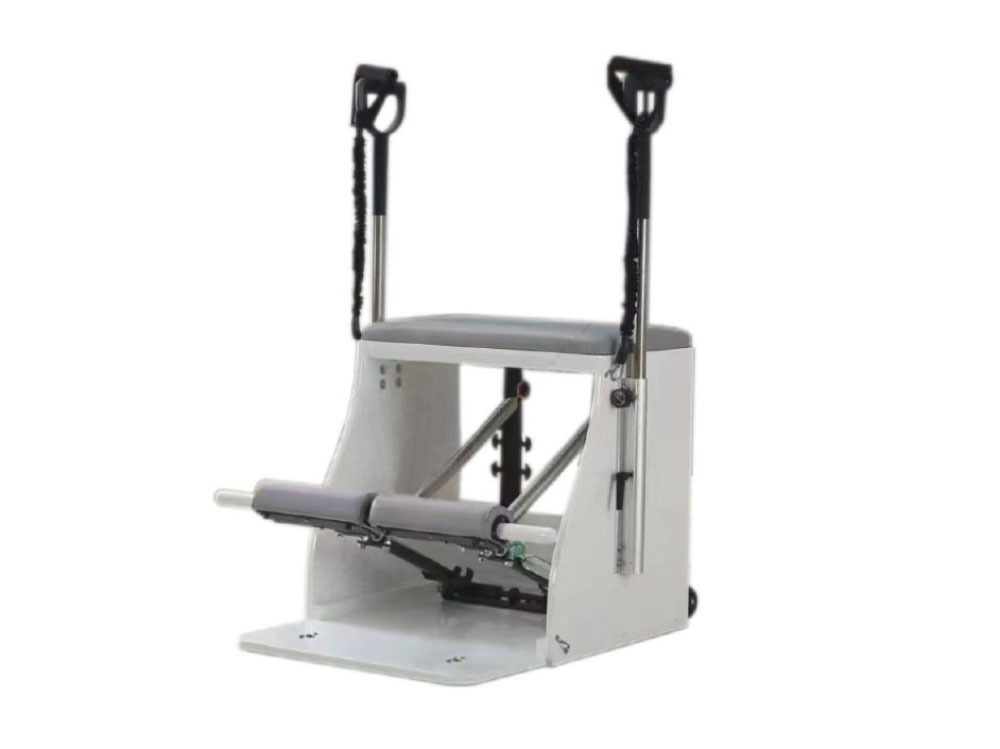
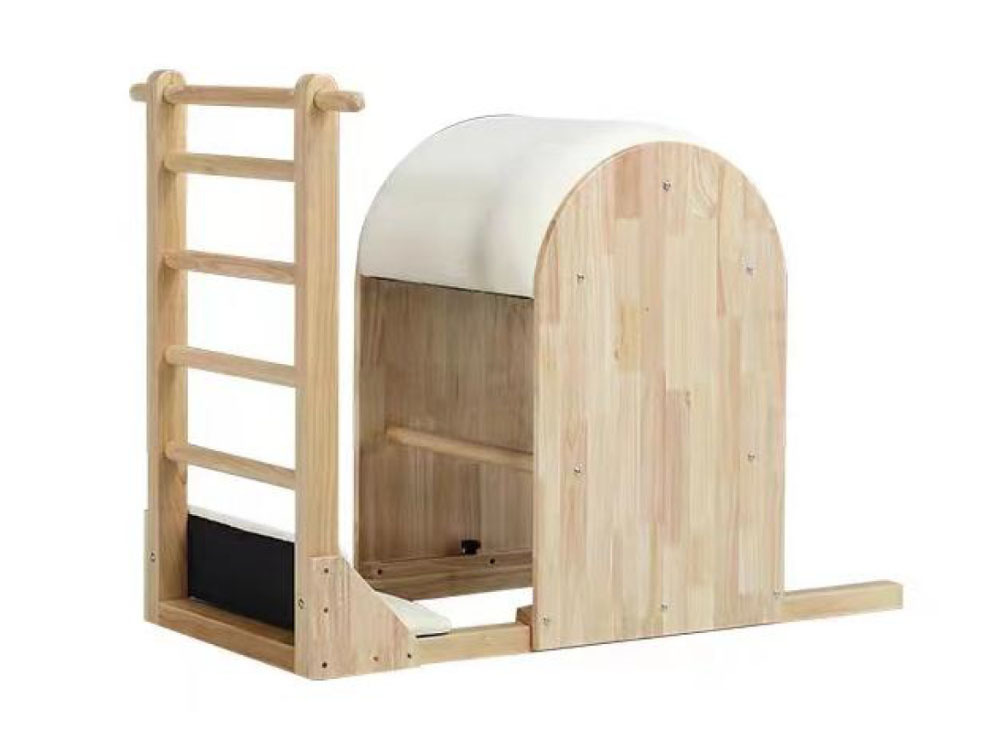
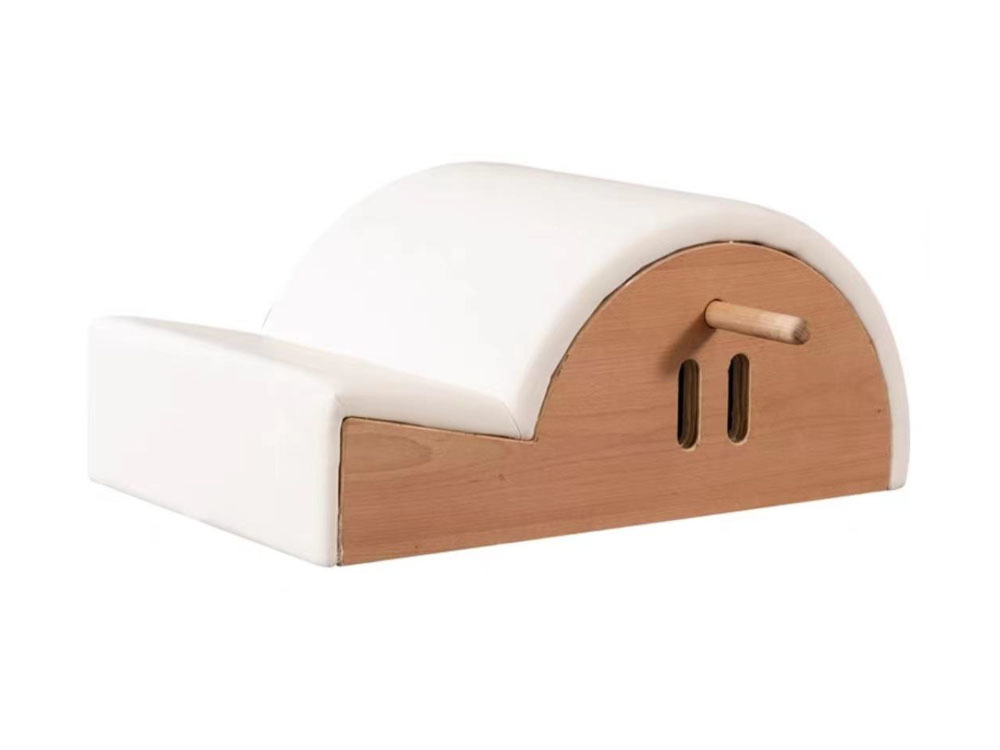
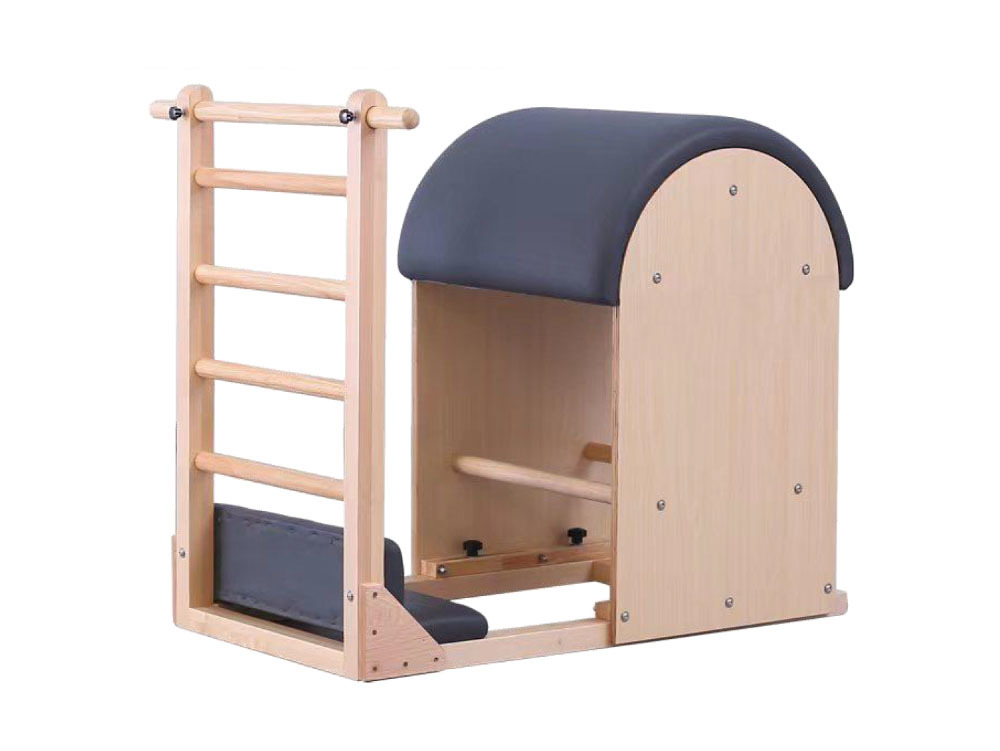

with 16 years of design experience and professional team, can meet the different needs of different customers, design and manufacture better sports aid equipment. Products are exported to France, Canada, South Korea, Australia and so on.


Contact Information
Tel: +86-13103377000 / +86-13131181213
E-mail: furuili003@frlpilates.com
WhatsApp: +86-15831880002
Add: No. 25 Xiangyang Road, Xiaochai Development Zone, Longhuadian Township, Hejian City, Hebei Province
Consult
If you are interested in our products, please leave your email, we will contact you as soon as possible, thank you!