
Recover Better: The Transformative Power of Pilates Orthotics in Rehabilitation
Release Time:
Mar 28,2025
Recover Better: The Transformative Power of Pilates Orthotics in Rehabilitation Pilates has emerged as a vital component of rehabilitation for individuals recovering from injuries, chronic pain, or surgery. As a low-impact form of exercise, it emphasizes alignment, core strength, and flexibility. However, the integration of **Pilates orthotics** can significantly enhance the benefits of a Pilates
Recover Better: The Transformative Power of Pilates Orthotics in Rehabilitation
Pilates has emerged as a vital component of rehabilitation for individuals recovering from injuries, chronic pain, or surgery. As a low-impact form of exercise, it emphasizes alignment, core strength, and flexibility. However, the integration of **Pilates orthotics** can significantly enhance the benefits of a Pilates regimen. This article explores the role of Pilates orthotics in rehabilitation, their benefits, and how they can help individuals recover better, ultimately leading to improved quality of life.
Table of Contents
1. Understanding Pilates and Its Therapeutic Benefits
2. What Are Pilates Orthotics?
3. The Science Behind Pilates Orthotics
4. Benefits of Using Pilates Orthotics in Rehabilitation
5. How to Incorporate Pilates Orthotics into Your Routine
6. Real-Life Success Stories: Transformations through Pilates Orthotics
7. Frequently Asked Questions (FAQs)
8. Conclusion: Embracing a Holistic Approach to Recovery
1. Understanding Pilates and Its Therapeutic Benefits
Pilates is more than just a fitness trend; it is a holistic approach to physical well-being that focuses on strengthening the body while emphasizing proper alignment and breathing. Originated by Joseph Pilates in the early 20th century, this method incorporates various exercises that improve flexibility, core stability, and overall muscle tone. The therapy aspect of Pilates is particularly beneficial for individuals dealing with injuries or physical limitations.
In rehabilitation settings, Pilates has proven effective for enhancing mobility, reducing pain, and increasing strength. By concentrating on core muscles, Pilates encourages a strong foundation for movement, which is crucial during the recovery process. Additionally, the low-impact nature of Pilates makes it suitable for individuals at various fitness levels.
2. What Are Pilates Orthotics?
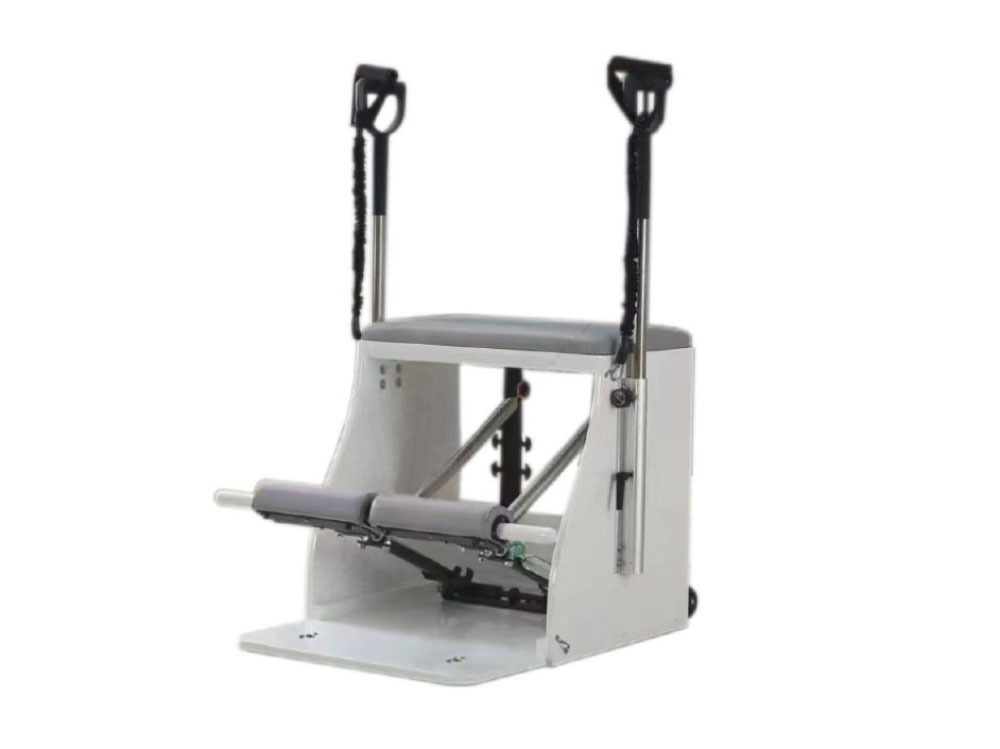
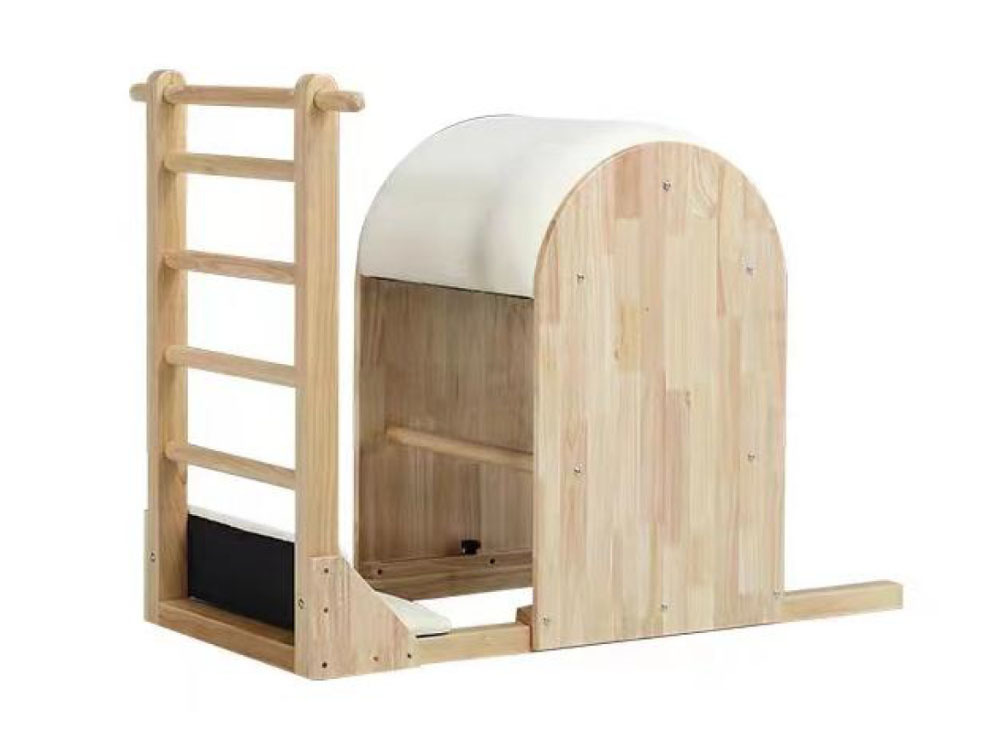
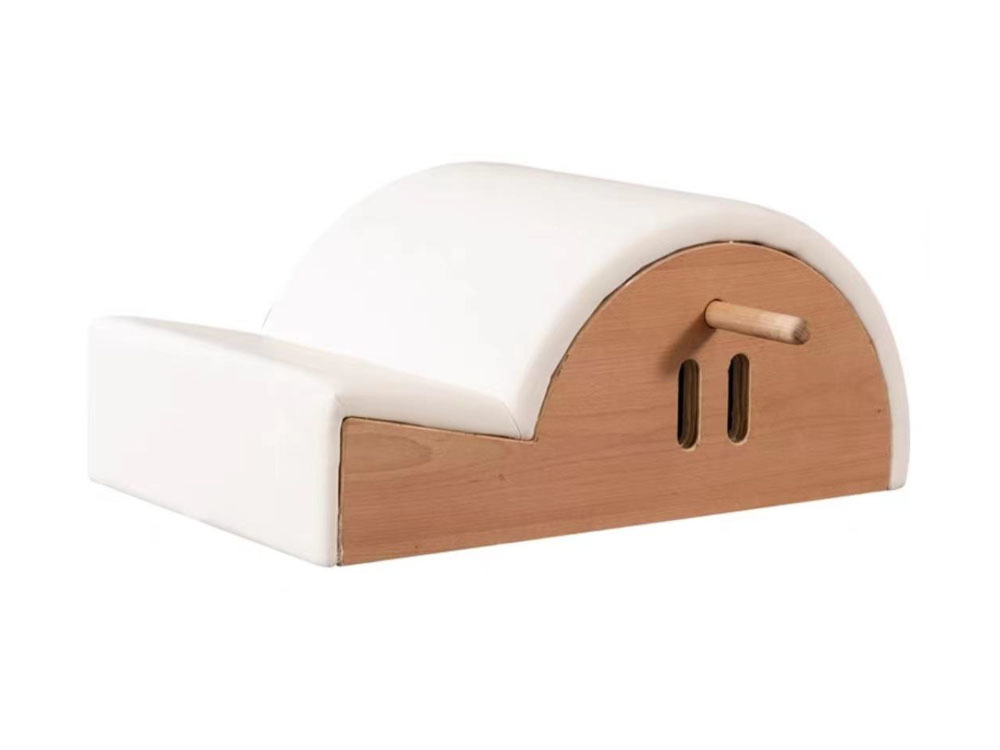
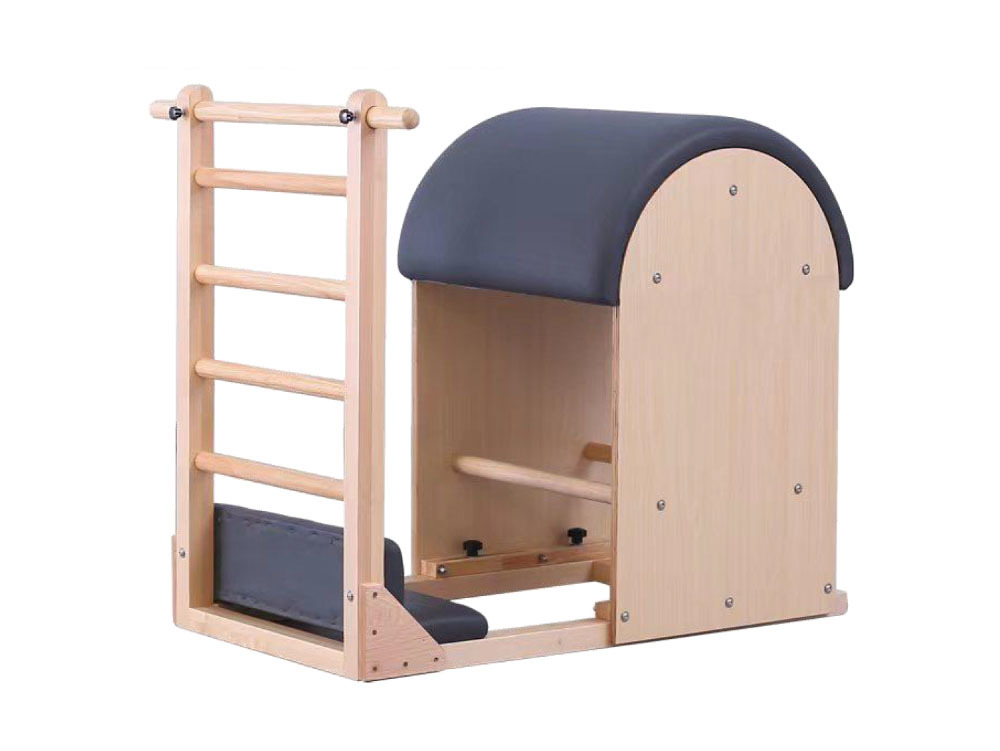
**Pilates orthotics** are specialized devices designed to support and stabilize the body during Pilates exercises. They can come in various forms, including foot orthotics, lumbar supports, and even specialized equipment like reformers and barrels. Each type of orthotic serves to enhance performance, prevent injury, and promote optimal alignment.
These orthotics are particularly valuable for individuals with specific needs, such as those recovering from foot or ankle injuries, back pain, or other musculoskeletal issues. By providing support and enhancing body awareness, Pilates orthotics help individuals engage in exercises safely and effectively.
3. The Science Behind Pilates Orthotics
The science of **Pilates orthotics** is rooted in biomechanics and physiotherapy. By understanding how the body moves, practitioners can create orthotic solutions tailored to individual needs. Research has shown that improper alignment during exercise can lead to injury and hinder recovery. Pilates orthotics address these concerns by providing necessary support to maintain proper posture and alignment.
Foot orthotics, for example, can influence the way weight is distributed across the feet, which directly impacts the alignment of the knees, hips, and spine. Similarly, lumbar supports can mitigate back strain during exercises by promoting a neutral spine position.
Furthermore, Pilates orthotics can enhance proprioception—the body's ability to sense its position in space—allowing individuals to gain better control over their movements, ultimately facilitating a smoother rehabilitation process.
4. Benefits of Using Pilates Orthotics in Rehabilitation
Incorporating Pilates orthotics into rehabilitation offers a multitude of benefits:
4.1 Enhanced Comfort and Support
Pilates orthotics provide essential support to the body, allowing individuals to perform exercises without discomfort. This support can be crucial for those with chronic pain or past injuries, facilitating participation in rehabilitation programs.
4.2 Improved Alignment
Proper alignment is fundamental in any exercise program. Orthotics help maintain optimal body positioning, reducing the risk of injury and ensuring that exercises target the intended muscle groups effectively.
4.3 Increased Strength and Flexibility
By promoting proper alignment and support, Pilates orthotics enable individuals to engage more effectively in strengthening and flexibility exercises. This can lead to faster recovery times and improved overall muscle function.
4.4 Personalized Recovery Plans
The customizability of Pilates orthotics means they can be tailored to suit individual recovery needs. This personalization allows practitioners to create rehabilitation plans that are both effective and comfortable for the patient.
4.5 Enhanced Mind-Body Connection
Pilates emphasizes mental focus and body awareness. Using orthotics can further enhance this connection, allowing individuals to engage more fully in their rehabilitation process and foster a positive mindset toward recovery.
5. How to Incorporate Pilates Orthotics into Your Routine
To maximize the benefits of Pilates orthotics in rehabilitation, follow these essential steps:
5.1 Consult a Professional
Before incorporating orthotics into your routine, consult with a healthcare professional or certified Pilates instructor. They can evaluate your specific needs and recommend the appropriate orthotics for your situation.
5.2 Start Slowly
When introducing orthotics, begin with basic exercises to allow your body to adapt to the new support. Gradually increase the complexity of exercises as your strength and comfort improve.
5.3 Focus on Alignment
Pay attention to your posture and alignment during exercises. Use mirrors or seek feedback from instructors to ensure you are maintaining optimal positioning.
5.4 Listen to Your Body
As with any rehabilitation program, it's essential to listen to your body. If you experience pain or discomfort, reassess your use of orthotics and consult a professional.
5.5 Track Your Progress
Keep a journal of your progress during rehabilitation. Documenting your experiences can help identify what works best for you and motivate you throughout your recovery journey.
6. Real-Life Success Stories: Transformations through Pilates Orthotics
Several individuals have found success in their rehabilitation journeys through the integration of Pilates orthotics. Here are a few inspiring stories:
6.1 Overcoming Chronic Back Pain
After years of struggling with chronic back pain, one individual turned to Pilates and incorporated lumbar support orthotics into their routine. With consistent practice and the right support, they found significant relief and improved mobility, allowing them to return to daily activities.
6.2 Recovering from Foot Surgery
Following foot surgery, another individual used foot orthotics during their Pilates sessions. The added support helped them regain strength and flexibility in their foot and ankle, enabling a quicker and more complete recovery.
6.3 Enhancing Sports Performance
An athlete recovering from a knee injury incorporated Pilates orthotics into their rehabilitation program. The tailored support helped them maintain proper alignment during strength training, leading to a successful return to their sport.
7. Frequently Asked Questions (FAQs)
7.1 What types of Pilates orthotics are available?
Pilates orthotics come in various forms, including foot orthotics, lumbar supports, and specialized equipment like reformers and barrels tailored for rehabilitation.
7.2 How do Pilates orthotics differ from traditional orthotics?
While traditional orthotics are often designed for general support, Pilates orthotics are specifically tailored to enhance performance and alignment during Pilates exercises.
7.3 Can anyone use Pilates orthotics?
Yes, Pilates orthotics can be beneficial for a wide range of individuals, especially those recovering from injuries or dealing with chronic pain. However, it's essential to consult with a professional before use.
7.4 How long does it take to see results from using Pilates orthotics?
Results may vary, but many individuals notice improvements in comfort and performance within a few weeks of consistent use.
7.5 Are there any risks associated with using Pilates orthotics?
While generally safe, improper use or the wrong type of orthotic can lead to discomfort or exacerbate existing issues. Always follow professional guidance when incorporating orthotics.
8. Conclusion: Embracing a Holistic Approach to Recovery
The integration of **Pilates orthotics** into rehabilitation practices represents a vital advancement in how we approach recovery. By providing the necessary support, enhancing alignment, and fostering a deeper mind-body connection, these innovative tools can significantly improve the rehabilitation experience. As we continue to explore and understand the benefits of Pilates orthotics, we pave the way for healthier, more active lives for individuals recovering from injury or seeking to enhance their physical well-being. Embracing this holistic approach not only aids in recovery but also promotes a sustainable lifestyle that prioritizes health and fitness.
You Can Also Learn More About Industry Trends

with 16 years of design experience and professional team, can meet the different needs of different customers, design and manufacture better sports aid equipment. Products are exported to France, Canada, South Korea, Australia and so on.


Contact Information
Tel: +86-13103377000 / +86-13131181213
E-mail: furuili003@frlpilates.com
WhatsApp: +86-15831880002
Add: No. 25 Xiangyang Road, Xiaochai Development Zone, Longhuadian Township, Hejian City, Hebei Province
Consult
If you are interested in our products, please leave your email, we will contact you as soon as possible, thank you!